94% Min Sodium Tripolyphosphate (STPP) Technical Grade, a Detergent Chemicals As a Water Softener for Laundry Detergent Soap and Ceramic
WENZHOU JIAYONG TRADE CO.,LTD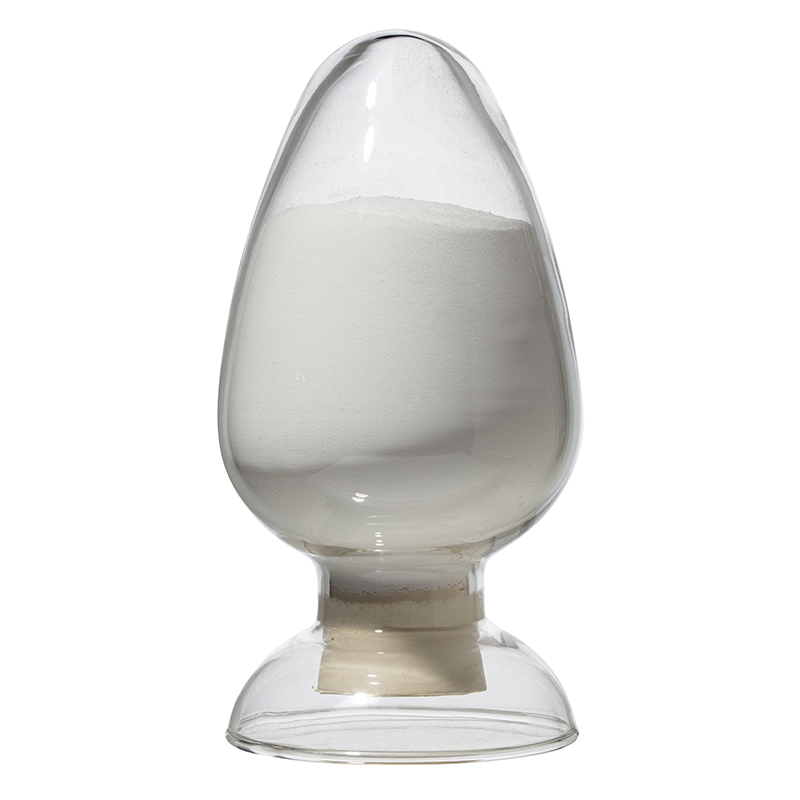
The supplier hasn’t listed a price. We can get their current prices and MOQ.
Verify from $29 · written report in 3 business days · 100% refund if unreachable
94% Min Sodium Tripolyphosphate (STPP) Technical Grade, a Detergent Chemicals As a Water Softener for Laundry Detergent Soap and Ceramic
WENZHOU JIAYONG TRADE CO.,LTDThe supplier hasn’t listed a price. We can get their current prices and MOQ.
Verify from $29 · written report in 3 business days · 100% refund if unreachable
About this product
- Size: Particle size (through 100 mesh),% ≥90.0
- Color: White
- Exports to: Africa, Middle East, Southeast Asia, South Asia, Central Asia, USA and Canada, Latin America, Russia, Other European Countries, Japan and South Korea, Hong Kong China, Macao China and Taiwan China, Others
- Made in: Guangxi, China
About this product
- Size: Particle size (through 100 mesh),% ≥90.0
- Color: White
- Exports to: Africa, Middle East, Southeast Asia, South Asia, Central Asia, USA and Canada, Latin America, Russia, Other European Countries, Japan and South Korea, Hong Kong China, Macao China and Taiwan China, Others
- Made in: Guangxi, China
Product details
| Size | Particle size (through 100 mesh),% ≥90.0 |
|---|---|
| Color | White |
Product details
| Size | Particle size (through 100 mesh),% ≥90.0 |
|---|---|
| Color | White |
From the supplier
General Information
Chemical name: Sodium Tripolyphosphate (STPP)
CAS No.: 7758-29-4
Molecular formula: Na5P3O10
Standard Executed: GB/T9983-2004
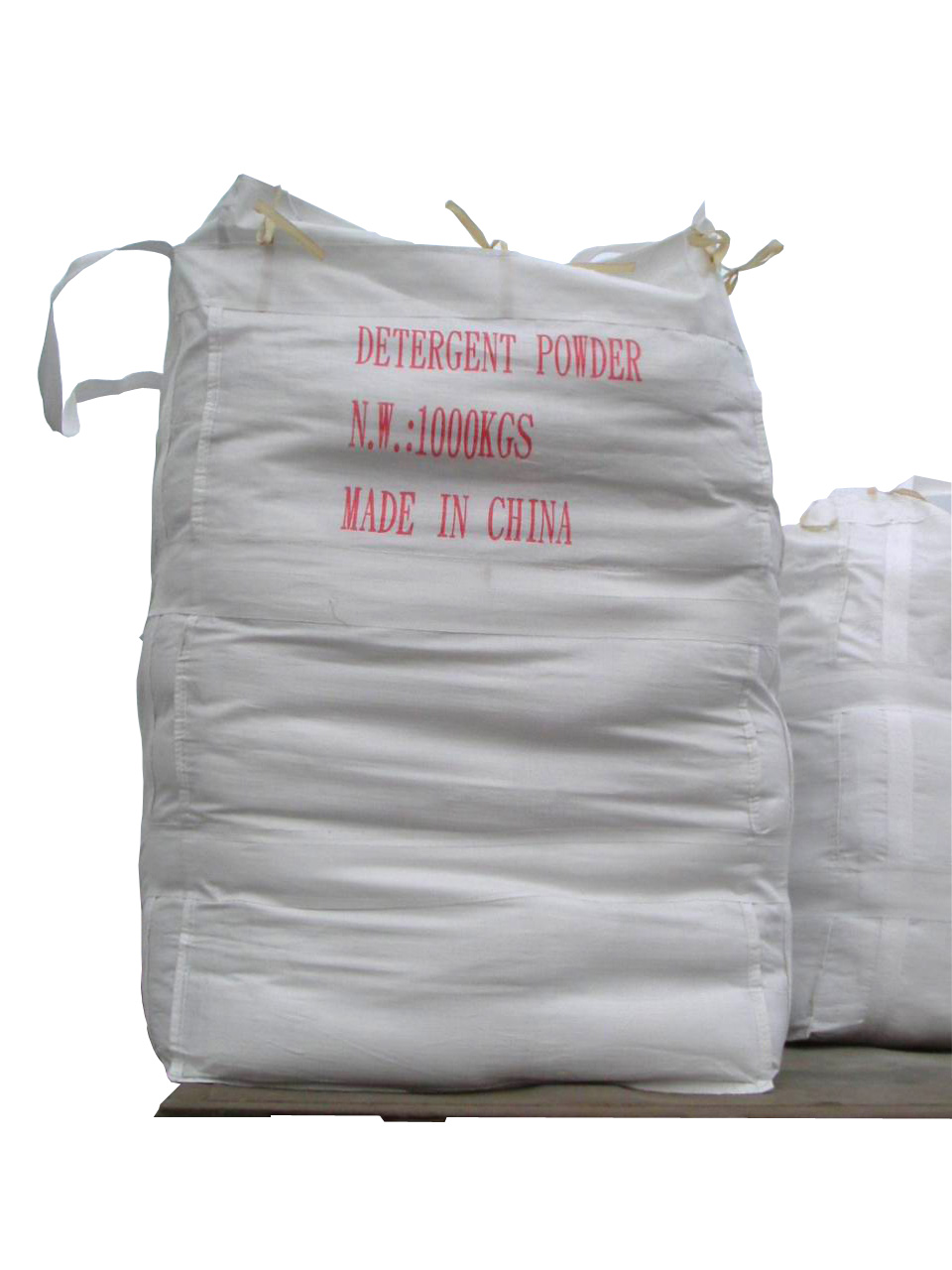
Packaging: in 25KG/50KG/1000KG/1250KG PP Woven bag with PE liner
Technical specification
Items
Standards
Purity (Na5P3O10 ), %
≥94.0
Phosphorus pentoxide (P2O5), content %
≥57.0
Ferric (Fe) content, %
≤0.0080
Water insoluble matter content
≤0.10
pH value (10g/L solution)
9.2-10.0
Whiteness(W10), %
≥90
Phase 1 content, %
10-40
Particle size (through 35 mesh), %
100
Particle size (through 100 mesh)
≥90.0
Bulk density, g/cm³
0.85~0.99
Classification
Inorganic compound, Builder
Molecular mass
367.864 g/mol in standard state (25 ℃[77 °F], 100 kPa)
Melting point
622 °C (1,152 °F; 895 K)
Solubility in water
14.5 g/100 mL (25 °C)
Storage
Dry, tight-closed, in low to moderate temperatures and humidity
Shelf life/Retest
24 months
Flashpoint
Non-flammable
Appearance
White powder or granular
Description
The majority of STPP is consumed as a component in various types of commercial detergents. Sodium tripolyphosphate (STPP) is a builder agent and a provider of a wide range of benefits in detergent formulations. Its role consists of sequestration of calcium and magnesium, provision of alkalinity, transition metal ion complexation, metal oxide colloid stabilization, and provision of substantial surface charge for peptization and suspension of other soils. Modern builders are usually less multifunctional than STPP, as their role is primarily focused on binding and neutralizing the calcium and magnesium ions—the culprits of hardness in water.
Calcium and magnesium ions insolubilize anionic surfactants by forming soap curd, LAS, and AS. They also bind to stains and prevent their removal. Hardness ions can also flocculate soil presenting in the wash solution, leading to its deposition on fabrics. STPP is a colorless salt, found either in anhydrous form or as the hexahydrate. As a chelating agent, both a bidentate and tridentate, STPP binds strongly to metal cations, preventing them from interfering with the sulfonate detergent.
Builders like STPP have a substantial role in detergents, including improving the removal of various stain classes and levels (particulates, blood, grass, beverages), together with enhanced whiteness maintenance.
Builders can neutralize hardness via a variety of mechanisms. Sequestering builders like STPP form soluble complexes with the hardness ions. Precipitating builders like fatty acids are soluble materials that form insoluble Ca/Mg salts. Finally, ion exchange builders like zeolites are insoluble materials that can bind hardness ions by ion exchange.
STPP provides fast and effective binding of both Ca2+ and Mg2+ ions. Additionally, it presents an excellent dispersion/suspension agent for insoluble soils. However, its use is banned or limited in some countries based on concerns about its role in the eutrophication of surface water.
Stability/Shelf life
More stable than the higher (ie, meta-) phosphates, but less stable than tetrasodium pyrophosphate. With prolonged heating of sodium tripolyphosphate solution, it tends to revert to the orthophosphate.
Recommended storage: Dry, tight-closed, ideally in its original packaging, in low to moderate temperatures and low to moderate humidity environment.
Manufacturing
Molecular dehydration of mono- and disodium phosphates, or controlled calcination of sodium orthophosphate mixture from sodium carbonate and phosphoric acid.
Industry use
Bleaching agents, corrosion inhibitors and anti-scaling agents, detergents, dyes, plating agents and surface treating agents, solids separation agents, solvents for cleaning and degreasing, surface-active agents, emulsifier, water softener, industrial cleaners.
Consumer use
Cleaning and furnishing care products, fabric, textile, leather care products, laundry and dishwashing products, and water treatment products.
STPP is one of the most effective widely used builders in heavy-duty fabric washing compositions. Its high sequestration power enables extensive application in automatic dishwashing detergents. Due to its ability to form stable hydrates, the STPP aids in manufacturing crisp spray-dried laundry powders.
Solubility
Soluble in water. Insoluble in ethanol.
Common synonyms
- · Sodium Tripolyphosphate
- · Pentasodium Triphosphate
- · Sodium Triphosphate
- · STPP
FAQ
Q1: Are you a manufacturer of STPP or do you only trade it?
A: STPP Group’s subsidiary Liuzhou Jiaji Chemicals Co., Ltd has been manufacturing STPP for years.
Q2: Do you supply food grade STPP?
A: No, STPP Group manufactures only Industrial grade STPP and 90%+ of the STPP we manufacture are consumed in detergents. The rest are used for ceramics and water treatment.
Q3: What is your minimum order quantity (MOQ)?
A: Our MOQ for STPP is 1*20’’GP (25MT/26MT/27MT).
From the supplier
General Information
Chemical name: Sodium Tripolyphosphate (STPP)
CAS No.: 7758-29-4
Molecular formula: Na5P3O10
Standard Executed: GB/T9983-2004
Packaging: in 25KG/50KG/1000KG/1250KG PP Woven bag with PE liner
Technical specification
Items
Standards
Purity (Na5P3O10 ), %
≥94.0
Phosphorus pentoxide (P2O5), content %
≥57.0
Ferric (Fe) content, %
≤0.0080
Water insoluble matter content
≤0.10
pH value (10g/L solution)
9.2-10.0
Whiteness(W10), %
≥90
Phase 1 content, %
10-40
Particle size (through 35 mesh), %
100
Particle size (through 100 mesh)
≥90.0
Bulk density, g/cm³
0.85~0.99
Classification
Inorganic compound, Builder
Molecular mass
367.864 g/mol in standard state (25 ℃[77 °F], 100 kPa)
Melting point
622 °C (1,152 °F; 895 K)
Solubility in water
14.5 g/100 mL (25 °C)
Storage
Dry, tight-closed, in low to moderate temperatures and humidity
Shelf life/Retest
24 months
Flashpoint
Non-flammable
Appearance
White powder or granular
Description
The majority of STPP is consumed as a component in various types of commercial detergents. Sodium tripolyphosphate (STPP) is a builder agent and a provider of a wide range of benefits in detergent formulations. Its role consists of sequestration of calcium and magnesium, provision of alkalinity, transition metal ion complexation, metal oxide colloid stabilization, and provision of substantial surface charge for peptization and suspension of other soils. Modern builders are usually less multifunctional than STPP, as their role is primarily focused on binding and neutralizing the calcium and magnesium ions—the culprits of hardness in water.
Calcium and magnesium ions insolubilize anionic surfactants by forming soap curd, LAS, and AS. They also bind to stains and prevent their removal. Hardness ions can also flocculate soil presenting in the wash solution, leading to its deposition on fabrics. STPP is a colorless salt, found either in anhydrous form or as the hexahydrate. As a chelating agent, both a bidentate and tridentate, STPP binds strongly to metal cations, preventing them from interfering with the sulfonate detergent.
Builders like STPP have a substantial role in detergents, including improving the removal of various stain classes and levels (particulates, blood, grass, beverages), together with enhanced whiteness maintenance.
Builders can neutralize hardness via a variety of mechanisms. Sequestering builders like STPP form soluble complexes with the hardness ions. Precipitating builders like fatty acids are soluble materials that form insoluble Ca/Mg salts. Finally, ion exchange builders like zeolites are insoluble materials that can bind hardness ions by ion exchange.
STPP provides fast and effective binding of both Ca2+ and Mg2+ ions. Additionally, it presents an excellent dispersion/suspension agent for insoluble soils. However, its use is banned or limited in some countries based on concerns about its role in the eutrophication of surface water.
Stability/Shelf life
More stable than the higher (ie, meta-) phosphates, but less stable than tetrasodium pyrophosphate. With prolonged heating of sodium tripolyphosphate solution, it tends to revert to the orthophosphate.
Recommended storage: Dry, tight-closed, ideally in its original packaging, in low to moderate temperatures and low to moderate humidity environment.
Manufacturing
Molecular dehydration of mono- and disodium phosphates, or controlled calcination of sodium orthophosphate mixture from sodium carbonate and phosphoric acid.
Industry use
Bleaching agents, corrosion inhibitors and anti-scaling agents, detergents, dyes, plating agents and surface treating agents, solids separation agents, solvents for cleaning and degreasing, surface-active agents, emulsifier, water softener, industrial cleaners.
Consumer use
Cleaning and furnishing care products, fabric, textile, leather care products, laundry and dishwashing products, and water treatment products.
STPP is one of the most effective widely used builders in heavy-duty fabric washing compositions. Its high sequestration power enables extensive application in automatic dishwashing detergents. Due to its ability to form stable hydrates, the STPP aids in manufacturing crisp spray-dried laundry powders.
Solubility
Soluble in water. Insoluble in ethanol.
Common synonyms
- · Sodium Tripolyphosphate
- · Pentasodium Triphosphate
- · Sodium Triphosphate
- · STPP
FAQ
Q1: Are you a manufacturer of STPP or do you only trade it?
A: STPP Group’s subsidiary Liuzhou Jiaji Chemicals Co., Ltd has been manufacturing STPP for years.
Q2: Do you supply food grade STPP?
A: No, STPP Group manufactures only Industrial grade STPP and 90%+ of the STPP we manufacture are consumed in detergents. The rest are used for ceramics and water treatment.
Q3: What is your minimum order quantity (MOQ)?
A: Our MOQ for STPP is 1*20’’GP (25MT/26MT/27MT).
About the supplier
Main products: Washing powder,Dishwashing liquid,Laundry detergent liquid,Fabric softener
- ✓Exhibited at 10 of the last 10 Canton Fairs
- ✓Foreign Trade Company
- ✓Founded 2010
- Exhibited at 10 of the last 10 Canton Fairs
- Foreign Trade Company
- Founded 2010