See what’s includedHide breakdown
- FOB goods (100)
- $292
- Ocean freight + handling (0.40 CBM)
- $820
- US duty (4.0%)
- $12
- Section 301 tariff (25.0%)
- $73
- Customs fees (MPF/HMF)
- $33
Estimate in USD to a US port using category averages (HTS 8201-8207/8467), rates as of 2026-09. Other countries on request. A quote from our desk uses real carton sizes, freight and the exact tariff line.
- FOB goods (100)
- $292
- Ocean freight + handling (0.40 CBM)
- $820
- US duty (4.0%)
- $12
- Section 301 tariff (25.0%)
- $73
- Customs fees (MPF/HMF)
- $33
Estimate in USD to a US port using category averages (HTS 8201-8207/8467), rates as of 2026-09. Other countries on request. A quote from our desk uses real carton sizes, freight and the exact tariff line.
Verify from $29 · written report in 3 business days · 100% refund if unreachable
See what’s includedHide breakdown
- FOB goods (100)
- $292
- Ocean freight + handling (0.40 CBM)
- $820
- US duty (4.0%)
- $12
- Section 301 tariff (25.0%)
- $73
- Customs fees (MPF/HMF)
- $33
Estimate in USD to a US port using category averages (HTS 8201-8207/8467), rates as of 2026-09. Other countries on request. A quote from our desk uses real carton sizes, freight and the exact tariff line.
- FOB goods (100)
- $292
- Ocean freight + handling (0.40 CBM)
- $820
- US duty (4.0%)
- $12
- Section 301 tariff (25.0%)
- $73
- Customs fees (MPF/HMF)
- $33
Estimate in USD to a US port using category averages (HTS 8201-8207/8467), rates as of 2026-09. Other countries on request. A quote from our desk uses real carton sizes, freight and the exact tariff line.
Verify from $29 · written report in 3 business days · 100% refund if unreachable
About this product
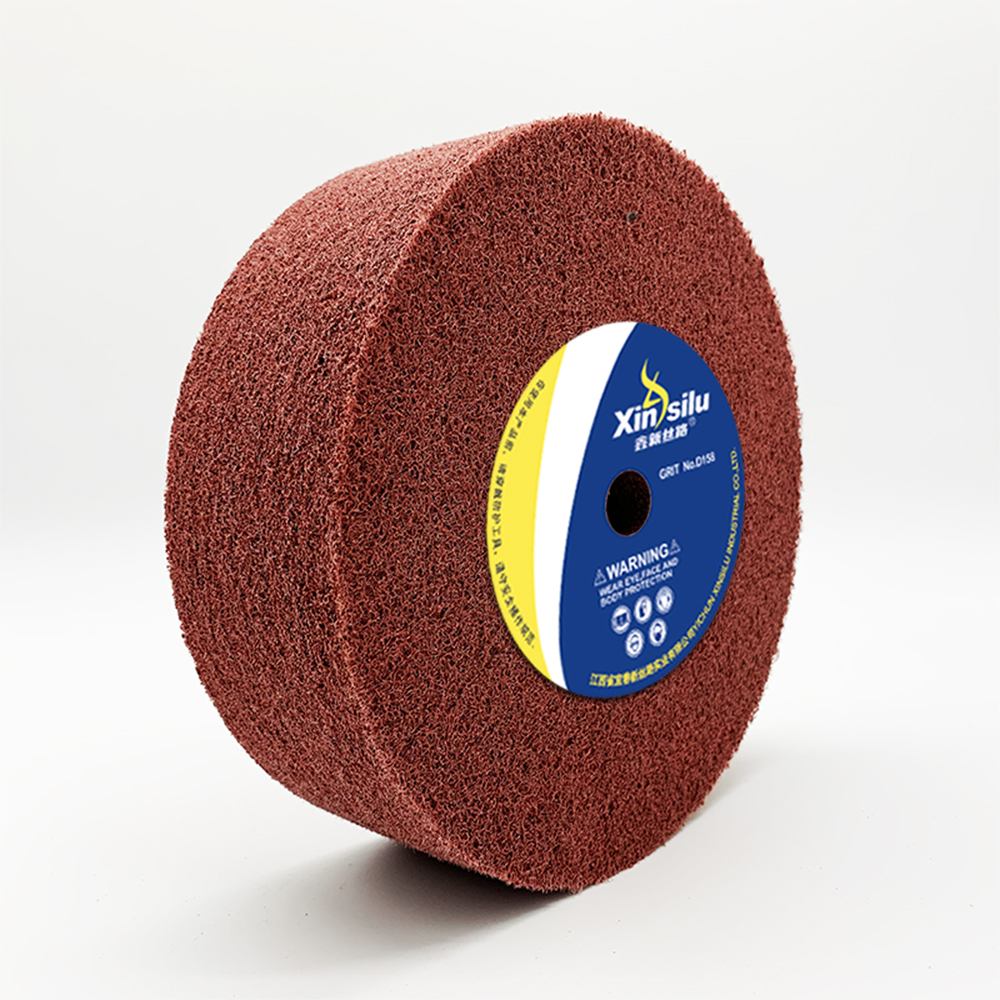
- Materials: Nylon Fiber
- Size: 200*50*16
- Color: Maroon
- Exports to: Mainland China, Southeast Asia, South Asia, Central Asia
- Made in: Jiangxi, China
About this product
- Materials: Nylon Fiber
- Size: 200*50*16
- Color: Maroon
- Exports to: Mainland China, Southeast Asia, South Asia, Central Asia
- Made in: Jiangxi, China
Product details
| Materials | Nylon Fiber |
|---|---|
| Size | 200*50*16 |
| Color | Maroon |
Product details
| Materials | Nylon Fiber |
|---|---|
| Size | 200*50*16 |
| Color | Maroon |
From the supplier
- Tough, layered unitized construction operates clockwise or counterclockwise
- Resists loading and runs cool, extending the life of the wheel
- Perfect for very narrow widths and/or small diameters
- Higher densities retain conformability for finishing intricate shapes and contours
- Easy to run on smaller and portable equipment
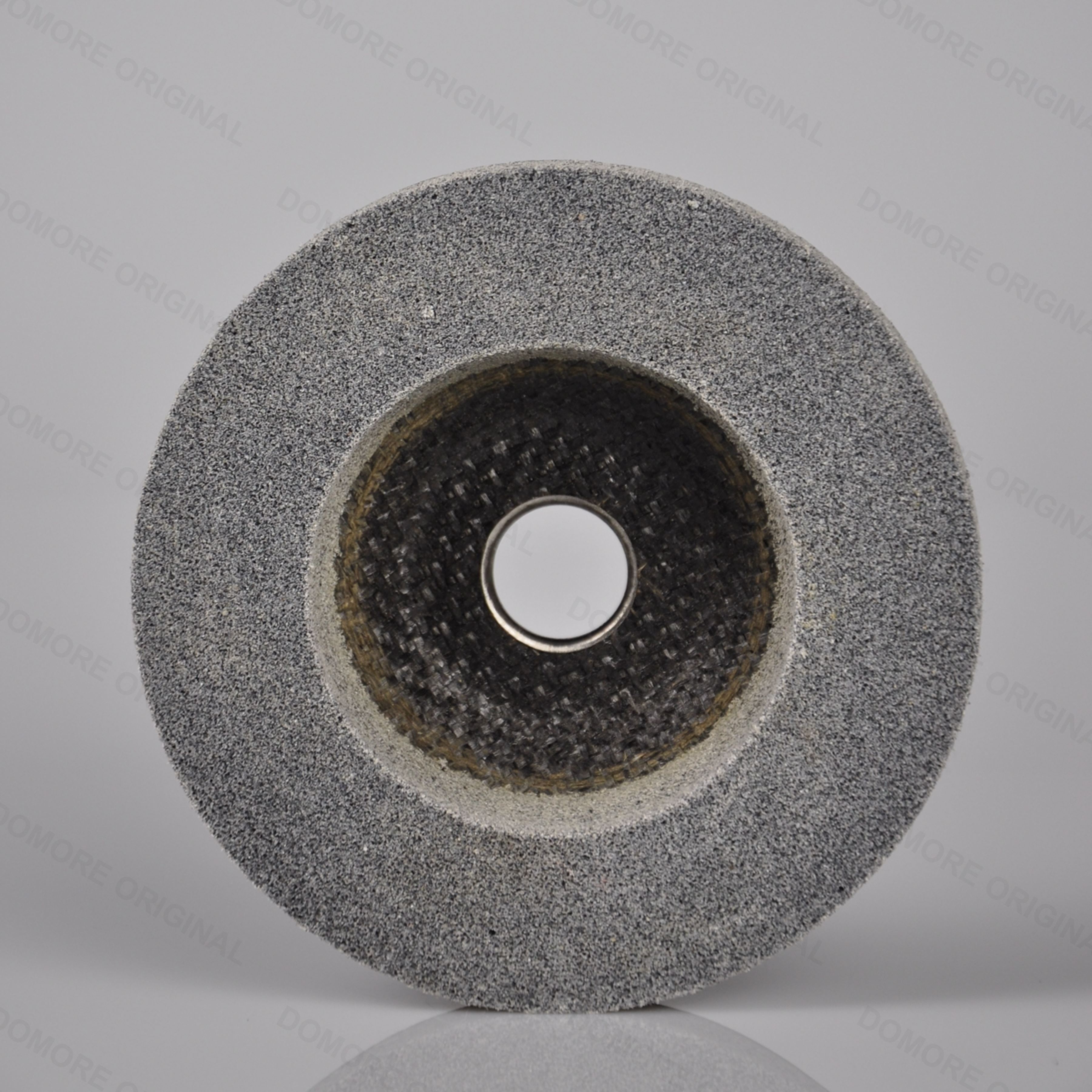
Non-Woven Polishing Wheel
This wheel is manufactured using a “web” of nylon fibers that are bonded together (not woven together – hence
the name) with synthetic resins. The fibers are impregnated with abrasive grain, producing a cushioned, three-
dimensional material that is pliable, conformable to the workpiece, and long-lasting. Non-woven abrasives can
be the ideal grinding products for deburring, cleaning, and imparting the desired finish to a wide variety of
materials. A basic understanding of how these products are made, and how they should be selected and used
to their maximum benefit, can help the metalworking manufacturer achieve the desired surface finish.
Why there?
The relatively non-aggressive nature of nylon and the abrasive grit used in non-wovens make them excellent
finishing tools. With their open-mesh construction, non-wovens are waterproof, washable, and resilient. They
resist loading and rusting, and are not conducive. In the standard non-woven design, the abrasive grain is
uniformly dispersed throughout the nylon web, providing a continuous supply of new grain as the old grain
and fibers wear away during use. While 60 grit to 80 grit abrasives is considered intermediate sizes in other
products, they are considered coarse for non-woven products. Non-wovens can be used on a range of metals,
including aluminum, brass, copper, nickel, chrome plate, stainless steel, and titanium, as well as other hard-to-
grind materials such as ceramics, glass, and plastic. Used wet or dry, non-wovens enable the user to achieve a
consistent, uniform finish, and conformability to irregular surfaces, with minimal smearing and discoloration
of the workpiece.
While non-wovens are made in a different way than conventional coated abrasives, both types of products use
many of the same abrasive minerals. Silicon carbide is sharper, cuts faster, and produces finer scratch patterns
on most surfaces. Aluminum oxide is more durable and tends to last longer. It is more aggressive on certain
applications (such as hardened steel parts), and produces less discoloration on aluminum. When the non-woven
supplier talks about grit, he is referring to the size of the abrasive grain impregnated into the nylon web. The lower
the number, the larger the grains. The use of large particles (coarse grit) results in a more aggressive cut and a
coarser finish. Small size particles result in a non-woven product that produces fine surface finish, if all other
conditions are equal. In specifying a conventional bonded or coated abrasive product, the purchaser selects a
specific grit size – say, 120 grit. With non-woven abrasives, by comparison, one of the following designations is used:
Grit Designation and Comparable Grit Ranges
Coarse (C) 50 – 80
Medium (M) 100 – 150
Fine (F) 180 – 220
Very Fine (VF) 240 – 360
Ultra Fine (UF) 600
Micro Fine (SF) 1000 – 1200
Another term used in the specification that is probably unfamiliar to the buyer of conventional abrasives is density.
This refers to the number of bonding agents and the amount of abrasive grain that has been compressed into
the non-woven product. In general, harder density products cut faster, last longer, and produce finer finishes
than softer density products. However, softer densities offer more conformability to the work surface and
less tendency to load or burn the workpiece. Two other factors in the design and manufacture of non-woven
abrasives are the sizing of the nylon fibers and the bonding agents used. Fiber size has a significant effect
on the product’s cutting characteristics, while the type of waterproof resin used to bond the fibers together
(and to anchor the abrasive to the web) can alter the characteristics of the product. The non-woven
manufacturer selects the appropriate fiber size and bonding agent based on the intended application for the
product; therefore, these components are not included in the product offering specifications.
A typical specification on a non-woven abrasive product might look like this: 8 A/O MED. The first symbol –
in this example, the “8” – refers to the product’s density. This can range from 2 (open/most conformable) to
9 (densest/ most durable). The second symbol denotes the abrasive used. “A” or “A/O” refers to aluminum
oxide, while “S” or “SC” stands for silicon carbide. The final designation – “MED” – denotes the grit size
of the product, as outlined above.
From the supplier
- Tough, layered unitized construction operates clockwise or counterclockwise
- Resists loading and runs cool, extending the life of the wheel
- Perfect for very narrow widths and/or small diameters
- Higher densities retain conformability for finishing intricate shapes and contours
- Easy to run on smaller and portable equipment
Non-Woven Polishing Wheel
This wheel is manufactured using a “web” of nylon fibers that are bonded together (not woven together – hence
the name) with synthetic resins. The fibers are impregnated with abrasive grain, producing a cushioned, three-
dimensional material that is pliable, conformable to the workpiece, and long-lasting. Non-woven abrasives can
be the ideal grinding products for deburring, cleaning, and imparting the desired finish to a wide variety of
materials. A basic understanding of how these products are made, and how they should be selected and used
to their maximum benefit, can help the metalworking manufacturer achieve the desired surface finish.
Why there?
The relatively non-aggressive nature of nylon and the abrasive grit used in non-wovens make them excellent
finishing tools. With their open-mesh construction, non-wovens are waterproof, washable, and resilient. They
resist loading and rusting, and are not conducive. In the standard non-woven design, the abrasive grain is
uniformly dispersed throughout the nylon web, providing a continuous supply of new grain as the old grain
and fibers wear away during use. While 60 grit to 80 grit abrasives is considered intermediate sizes in other
products, they are considered coarse for non-woven products. Non-wovens can be used on a range of metals,
including aluminum, brass, copper, nickel, chrome plate, stainless steel, and titanium, as well as other hard-to-
grind materials such as ceramics, glass, and plastic. Used wet or dry, non-wovens enable the user to achieve a
consistent, uniform finish, and conformability to irregular surfaces, with minimal smearing and discoloration
of the workpiece.
While non-wovens are made in a different way than conventional coated abrasives, both types of products use
many of the same abrasive minerals. Silicon carbide is sharper, cuts faster, and produces finer scratch patterns
on most surfaces. Aluminum oxide is more durable and tends to last longer. It is more aggressive on certain
applications (such as hardened steel parts), and produces less discoloration on aluminum. When the non-woven
supplier talks about grit, he is referring to the size of the abrasive grain impregnated into the nylon web. The lower
the number, the larger the grains. The use of large particles (coarse grit) results in a more aggressive cut and a
coarser finish. Small size particles result in a non-woven product that produces fine surface finish, if all other
conditions are equal. In specifying a conventional bonded or coated abrasive product, the purchaser selects a
specific grit size – say, 120 grit. With non-woven abrasives, by comparison, one of the following designations is used:
Grit Designation and Comparable Grit Ranges
Coarse (C) 50 – 80
Medium (M) 100 – 150
Fine (F) 180 – 220
Very Fine (VF) 240 – 360
Ultra Fine (UF) 600
Micro Fine (SF) 1000 – 1200
Another term used in the specification that is probably unfamiliar to the buyer of conventional abrasives is density.
This refers to the number of bonding agents and the amount of abrasive grain that has been compressed into
the non-woven product. In general, harder density products cut faster, last longer, and produce finer finishes
than softer density products. However, softer densities offer more conformability to the work surface and
less tendency to load or burn the workpiece. Two other factors in the design and manufacture of non-woven
abrasives are the sizing of the nylon fibers and the bonding agents used. Fiber size has a significant effect
on the product’s cutting characteristics, while the type of waterproof resin used to bond the fibers together
(and to anchor the abrasive to the web) can alter the characteristics of the product. The non-woven
manufacturer selects the appropriate fiber size and bonding agent based on the intended application for the
product; therefore, these components are not included in the product offering specifications.
A typical specification on a non-woven abrasive product might look like this: 8 A/O MED. The first symbol –
in this example, the “8” – refers to the product’s density. This can range from 2 (open/most conformable) to
9 (densest/ most durable). The second symbol denotes the abrasive used. “A” or “A/O” refers to aluminum
oxide, while “S” or “SC” stands for silicon carbide. The final designation – “MED” – denotes the grit size
of the product, as outlined above.
About the supplier
Main products: Rubber backing pad
- ✓Exhibited at 10 of the last 10 Canton Fairs
- ✓Manufacturer
- ✓Founded 2010
- ✓Canton Fair Premium Supplier
- ✓National high-tech enterprise
- Exhibited at 10 of the last 10 Canton Fairs
- Manufacturer
- Founded 2010
- Canton Fair Premium Supplier
Similar products from other suppliers