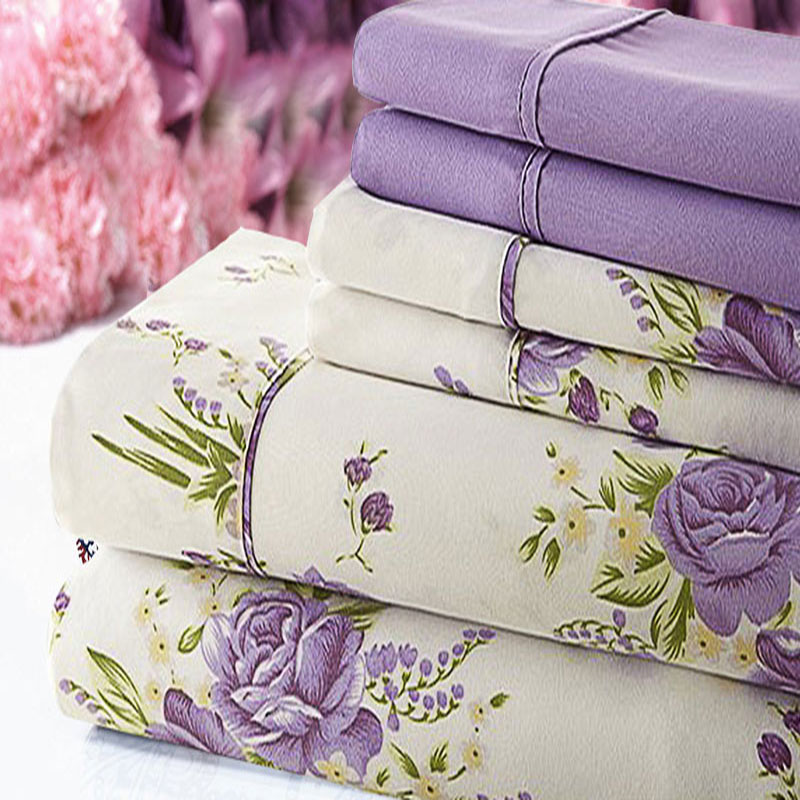
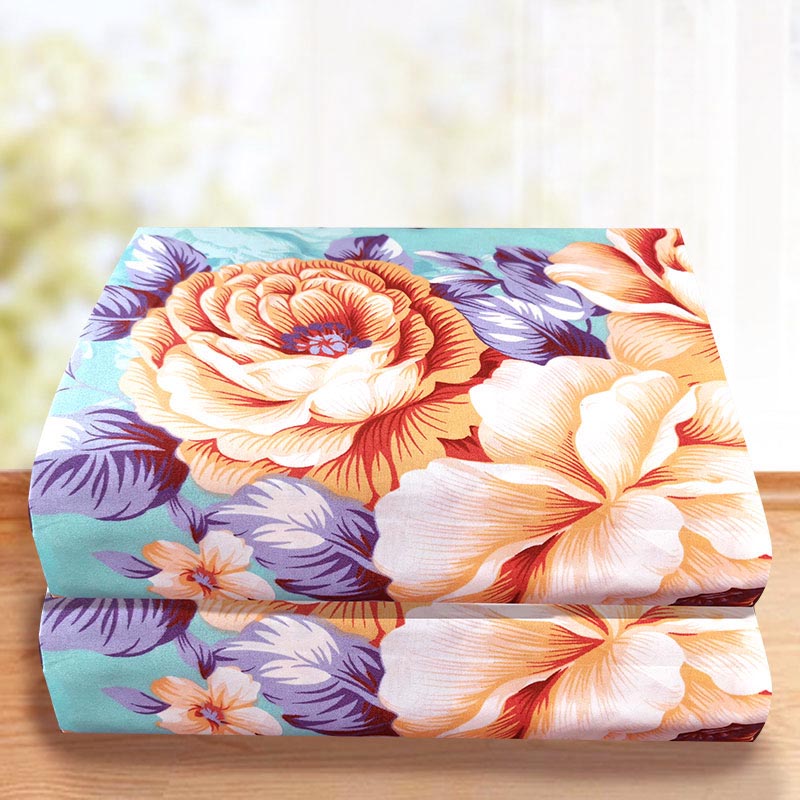
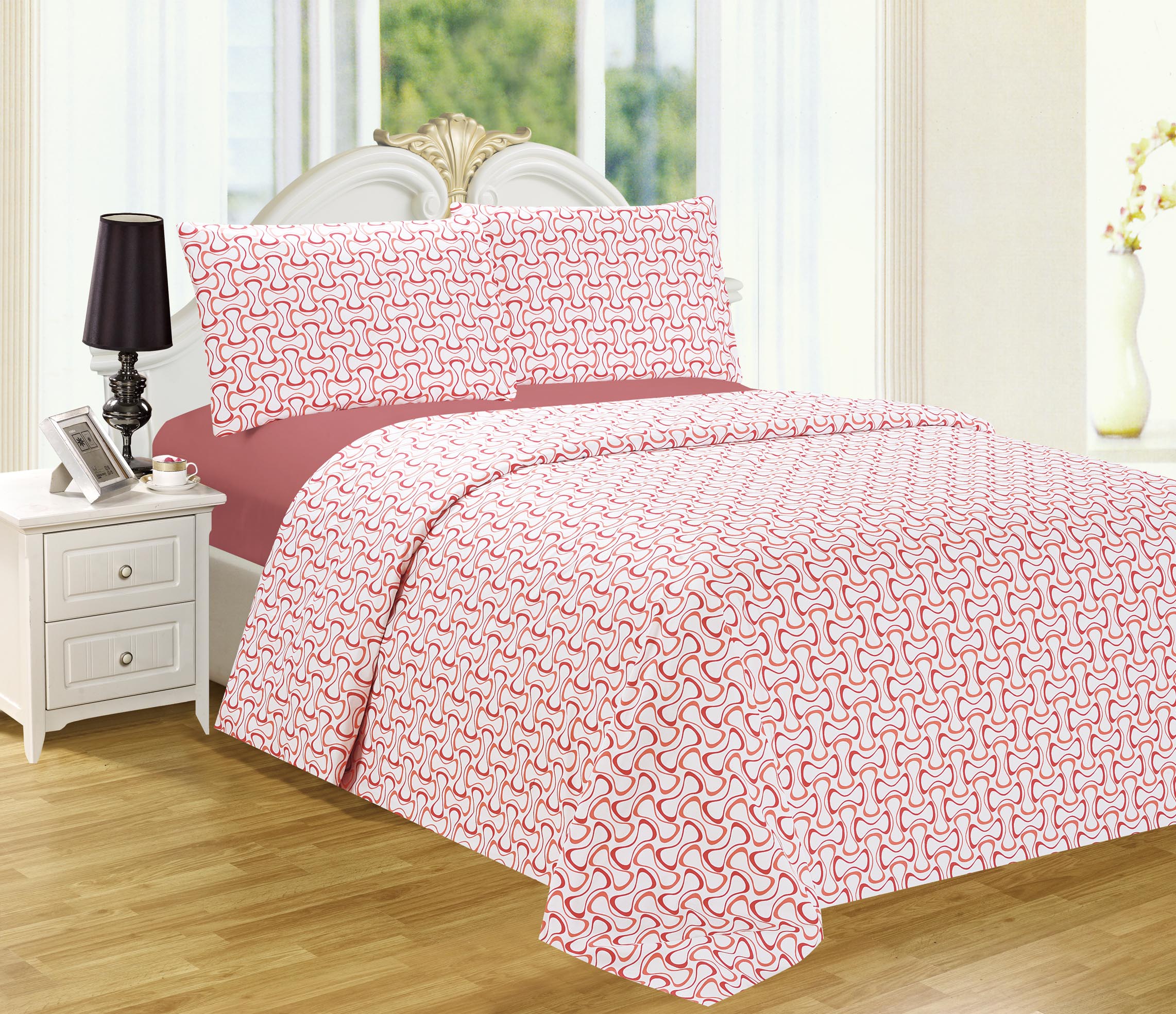
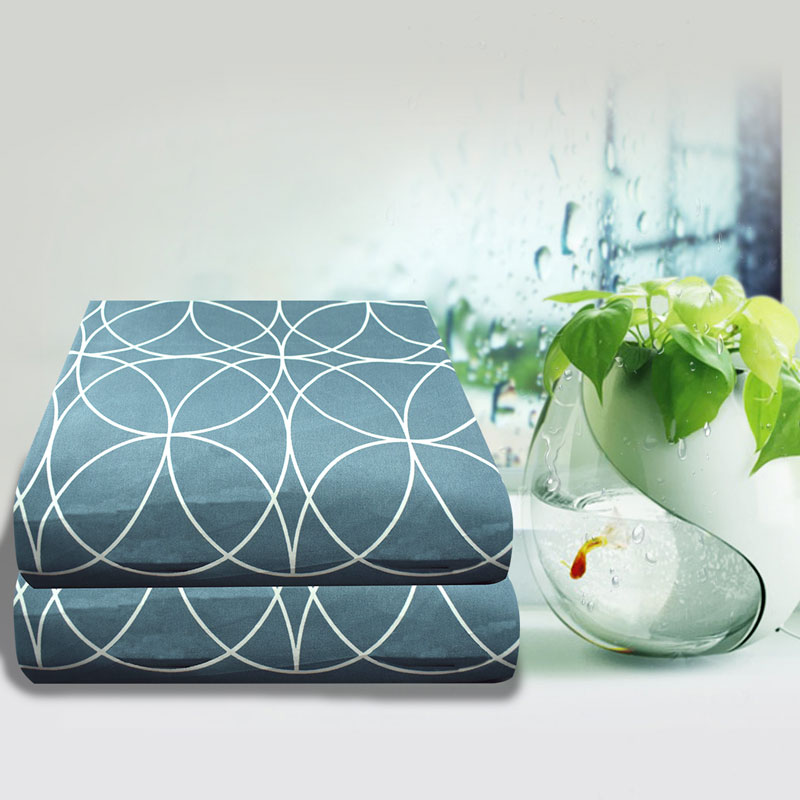
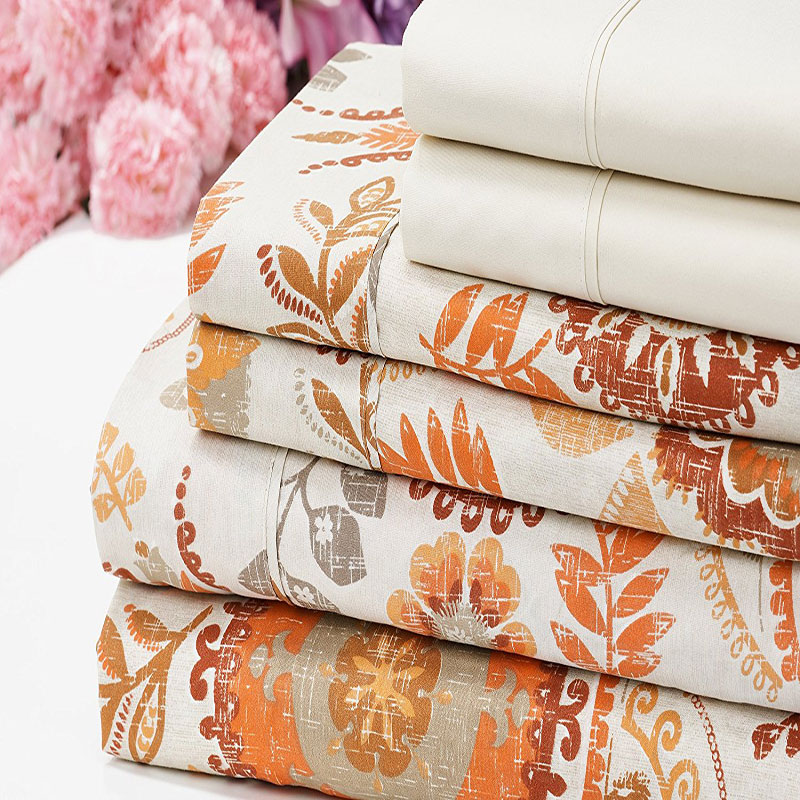
Plant cashmere cloth
CHANGYI CHENYANG HOUSEHOLD TEXTILE FACTORY
The supplier hasn’t listed a price. We can get their current prices and MOQ.
Verify from $29 · written report in 3 business days · 100% refund if unreachable
Plant cashmere cloth
CHANGYI CHENYANG HOUSEHOLD TEXTILE FACTORYThe supplier hasn’t listed a price. We can get their current prices and MOQ.
Verify from $29 · written report in 3 business days · 100% refund if unreachable
About this product
- Materials: 1. Characteristics of acrylic fiber: the performance of bulky and light resistant acrylic fiber is very similar to wool, so it is called "synthetic wool". The internal structure of acrylic fiber is ve
- Made in: Shandong, China
About this product
- Materials: 1. Characteristics of acrylic fiber: the performance of bulky and light resistant acrylic fiber is very similar to wool, so it is called "synthetic wool". The internal structure of acrylic fiber is ve
- Made in: Shandong, China
Product details
| Materials | 1. Characteristics of acrylic fiber: the performance of bulky and light resistant acrylic fiber is very similar to wool, so it is called "synthetic wool". The internal structure of acrylic fiber is ve |
|---|
Product details
| Materials | 1. Characteristics of acrylic fiber: the performance of bulky and light resistant acrylic fiber is very similar to wool, so it is called "synthetic wool". The internal structure of acrylic fiber is ve |
|---|
From the supplier
1. Characteristics of acrylic fiber: the performance of bulky and light resistant acrylic fiber is very similar to wool, so it is called "synthetic wool". The internal structure of acrylic fiber is very unique, with irregular helical conformation, and there is no strict crystallographic zone, but it can be divided into high order arrangement and low order arrangement. Because of this structure, the acrylic fiber has good thermal elasticity (can process bulky yarn), the density of acrylic fiber is smaller than that of wool, and the fabric has good thermal insulation.
2. Vinylon characteristics: cheap and durable, the biggest feature is hygroscopicity, the best synthetic fiber, known as "synthetic cotton". Its strength is worse than that of nylon and polyester. It has good chemical stability and is not resistant to strong acid and alkali.
3. Polypropylene characteristics: light weight, the lightest warm fiber. It is almost non hygroscopic, but it has good wicking capacity, high strength, stable size, good wear resistance, good elasticity and good chemical stability.
4. Characteristics of spandex: elastic fiber has the best elasticity, the worst strength, poor moisture absorption and better performance
Light resistance, acid resistance, alkali resistance, wear resistance.
5. Viscose properties: moisture absorption, easy to dye, is a man-made cellulose fiber. Viscose is the most hygroscopic common chemical fiber, dyeing is very good, wearing comfort.
6. Polyester characteristics: neat and wrinkle free, high strength, good impact resistance, heat resistance, corrosion resistance, moth resistance, acid and alkali resistance, light resistance is very good (second to acrylic fiber), after 1000 hours of exposure, the strength maintains 60-70%, hygroscopicity is poor, dyeing is difficult, the fabric is easy to wash and dry, good shape retention.
7. Nylon characteristics: strong and wear-resistant, the biggest feature is strong wear-resistant, is the best one.
Low density, light fabric, good elasticity, fatigue resistance, good chemical stability, alkali resistance but not acid resistance.
From the supplier
1. Characteristics of acrylic fiber: the performance of bulky and light resistant acrylic fiber is very similar to wool, so it is called "synthetic wool". The internal structure of acrylic fiber is very unique, with irregular helical conformation, and there is no strict crystallographic zone, but it can be divided into high order arrangement and low order arrangement. Because of this structure, the acrylic fiber has good thermal elasticity (can process bulky yarn), the density of acrylic fiber is smaller than that of wool, and the fabric has good thermal insulation.
2. Vinylon characteristics: cheap and durable, the biggest feature is hygroscopicity, the best synthetic fiber, known as "synthetic cotton". Its strength is worse than that of nylon and polyester. It has good chemical stability and is not resistant to strong acid and alkali.
3. Polypropylene characteristics: light weight, the lightest warm fiber. It is almost non hygroscopic, but it has good wicking capacity, high strength, stable size, good wear resistance, good elasticity and good chemical stability.
4. Characteristics of spandex: elastic fiber has the best elasticity, the worst strength, poor moisture absorption and better performance
Light resistance, acid resistance, alkali resistance, wear resistance.
5. Viscose properties: moisture absorption, easy to dye, is a man-made cellulose fiber. Viscose is the most hygroscopic common chemical fiber, dyeing is very good, wearing comfort.
6. Polyester characteristics: neat and wrinkle free, high strength, good impact resistance, heat resistance, corrosion resistance, moth resistance, acid and alkali resistance, light resistance is very good (second to acrylic fiber), after 1000 hours of exposure, the strength maintains 60-70%, hygroscopicity is poor, dyeing is difficult, the fabric is easy to wash and dry, good shape retention.
7. Nylon characteristics: strong and wear-resistant, the biggest feature is strong wear-resistant, is the best one.
Low density, light fabric, good elasticity, fatigue resistance, good chemical stability, alkali resistance but not acid resistance.
About the supplier
Main products: Printing sheeting
- ✓Exhibited at 10 of the last 10 Canton Fairs
- ✓Manufacturer
- ✓Founded 2007
- Exhibited at 10 of the last 10 Canton Fairs
- Manufacturer
- Founded 2007
Similar products from other suppliers