Visit the ANHUI TECHNOLOGY IMP.& EXP.CO.,LTD. store
plastic road construction grid
10/10 fairsForeign Trade CompanyModel ATPG007
Green / low-carbon
Price on request
The supplier hasn’t listed a price. We can get their current prices and MOQ.
- Service
- From $29 per supplier (Verify)
- You get
- Phone and video verification, a quote sheet and a written report
- Turnaround
- 3 business days
- Contact details
- Sent to you once your request is confirmed
If we can't reach the supplier within 3 business days, we refund the fee.
Visit the ANHUI TECHNOLOGY IMP.& EXP.CO.,LTD. store
plastic road construction grid
10/10 fairsForeign Trade CompanyModel ATPG007
Green / low-carbon
Price on request
The supplier hasn’t listed a price. We can get their current prices and MOQ.
- Service
- From $29 per supplier (Verify)
- You get
- Phone and video verification, a quote sheet and a written report
- Turnaround
- 3 business days
- Contact details
- Sent to you once your request is confirmed
If we can't reach the supplier within 3 business days, we refund the fee.
About this product
- Materials: HDPE geocell
- Color: Black
- Exports to: Africa, Middle East, Southeast Asia, South Asia, Central Asia, USA and Canada, Latin America, Russia, EU, Other European Countries, Japan and South Korea, Hong Kong China, Macao China and Taiwan China, Others
- Made in: Shandong, China
About this product
- Materials: HDPE geocell
- Color: Black
- Exports to: Africa, Middle East, Southeast Asia, South Asia, Central Asia, USA and Canada, Latin America, Russia, EU, Other European Countries, Japan and South Korea, Hong Kong China, Macao China and Taiwan China, Others
- Made in: Shandong, China
Product details
| Materials | HDPE geocell |
|---|---|
| Color | Black |
From the supplier
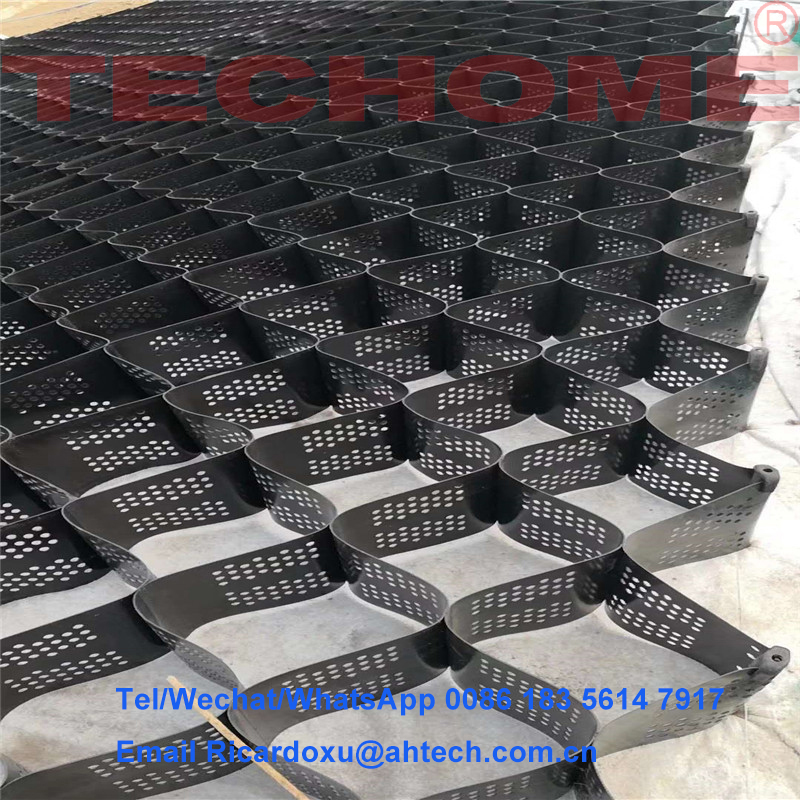
Geocell is a three-dimensional mesh cell structure formed by reinforced HDPE sheet material and welded by high strength. It is generally made by ultrasonic needle welding. Due to engineering needs, some punch holes in the diaphragm.
characteristic
1. It has flexible expansion and contraction, can be folded during transportation, can be stretched into a mesh during construction, and filled with loose materials such as soil, gravel, concrete, etc., forming a structural body with strong lateral restrictions and large rigidity.
2. Light material, wear resistance, stable chemical performance, light and oxygen aging resistance, acid and alkali resistance, suitable for different soil and desert and other soil conditions.
3. High lateral restraint and anti-skid, anti-deformation, effectively enhance the bearing capacity and dispersed load of the roadbed.
4. Changing the geometric dimensions such as geocell height and welding distance can meet different engineering needs.
5. Flexible expansion and contraction, small transportation volume; convenient connection and fast construction speed.
Fundamental
The reason why the geotechnical cell has excellent efficiency has attracted the attention of the engineering community, it should also start from its basic principles. When describing its principle in foreign literature, it is called "a honeycomb three-dimensional restriction system, which can significantly improve the performance of ordinary filling materials in load-bearing and insect erosion control applications to a large extent." Its key principle is three-dimensional restriction . Everyone knows that when a car is driving in the desert, two deep tracks will be pressed, and the pressed part will sink deeply, and the sides of the rut will bulge high. If the following vehicle continues to advance along the rut, the sunken part will sink further, and the bulge part will further bulge until the ridge part rubs against the chassis of the car, and the sunken rut buries most of the wheels, making it impossible to advance. The reason for this is that when external loads act on the surface of the foundation, according to the Plantel theory and Taylor theory, it can be known that under the action of concentrated loads, the active zone 1 sinks under pressure and transfers the force to the two sides. The transition zone 2 and the transition zone 2 are passed to the passive zone 3, and the passive zone will deform and bulge without restriction.
Features:
1. Flexible expansion and contraction, transport can be folded, can be stretched into a network during construction, filled with loose materials such as soil, gravel, concrete, etc., forming a structure with strong lateral restrictions and large rigidity.
2. Light material, abrasion resistance, stable chemical properties, light and oxygen aging resistance, acid and alkali resistance, suitable for different soil and desert soil conditions.
3. High lateral restraint and anti-skid, anti-deformation, effectively enhance the bearing capacity of the roadbed and disperse the load.
4. Changing the geocell height, welding distance and other geometric dimensions can meet different engineering needs.
5. Freely expand and contract, small transportation volume, convenient connection and fast construction speed. That is to say, once the load acts on the subgrade, a constricted active area is formed under the load, and it is squeezed through the transition area, so that the passive area is raised. That is to say, the bearing capacity of the foundation is determined by the shear force along the slip line and the forces of moving the active, transition, and passive areas. Not only can the real process of the above principle be clearly observed on the sand base, but also on the soft road, this model can be found, but the rate of formation is slower than the change on the sand. Even better roadbed materials still cannot avoid lateral movement. The general highway subgrade is several meters above the ground, and it is not easy to absorb water and turn the slurry, but long-term settlement still exists. The reason is that rainwater penetration, material loss, and subsidence of the base are some of the reasons. Under the action of long-term rolling and vibration of the wheel load on the roadbed, the lateral displacement of the material to both sides of the roadbed section is undeniably another very important reason. . Take the highways at all levels in our province as an example. There are obvious "S" grooves on the main lane of the road. Some highways are no exception. The bumps of cars driving on the traffic lane are obviously stronger than the feeling of driving on the overtaking zone, especially in the connecting section of the road and bridge (commonly known as "bridge jump"). This kind of trench-like roadbed settlement is a typical example of lateral slippage of roadbed materials.
The method of conventional treatment of the roadbed in the project need not be described in detail. The purpose is to improve the shear resistance and friction of the foundation material and reduce or delay the ability of the foundation material to move under the load of pressure or vibration, so the requirements for the material in the project are inevitable There are many harsh restrictions. If you can't get the materials you need nearby, you need to outsource these materials. The cost of purchasing materials and transportation costs account for a large part of the entire project cost. The geogrid can be used to obtain materials locally or nearby, and even materials that cannot be used under normal circumstances can be used, thereby greatly reducing the cost of material purchase and transportation. Why is this happening? The geogrid's load-bearing situation is indicated: under the concentrated load, the active area 1 will still transmit the force to the transition area 2, but due to the lateral limitation of the cell wall and the adjacent grid The reaction force of the chamber and the frictional force formed by the friction between the filler and the cell wall suppress the lateral movement tendency of the transition zone 2 and the passive zone 3, thereby improving the bearing capacity of the subgrade. After testing, the apparent cohesive force of medium-density sand can be increased by more than 30 times under the restriction of the cell. Obviously, if you can increase the shear resistance of the roadbed material or inhibit the movement of the three areas, you can achieve the effect of improving the bearing capacity of the foundation, which is the limiting principle of the geocell. Geocell as a new type of synthetic material, in the late 1980s and early 1990s, a lot of research and development work began in Europe and the United States and other countries, and the test and field application proved to improve the general fill to withstand dynamic loads and roadbed protection All aspects have great effects. In the early 1990s, China started the development and research of geocells on the basis of absorbing advanced foreign experience, and made major breakthroughs in the treatment of road bed defects and the application of fixed loose media. With the further understanding of the characteristics of geocells, it has been found that it has irreplaceable advantages of other geomaterials (geotextile, geomembrane, geogrid, geomould bag, geonet, etc.), making it unique in many fields Application prospects.
Engineering Applications
1. Handle half-filled and half-digged roadbed
When constructing an embankment on a slope with a natural slope steeper than 1: 5, the base of the embankment should be dug. When the width of the step is not less than 1M, when the road is built in phases or when the road is widened, the joint of the new and old roadbed fill slopes should be opened For digging steps, the width of high-grade highway steps is generally 2M. Geocells are laid on the horizontal surface of each step. The geogrid's own lateral reinforcement effect is used to better solve the problem of uneven settlement.
2. Subgrade in sandstorm area
The subgrade in the sand area should be dominated by a low embankment, and the filling height is generally not less than 0.3M. Due to the low roadbed construction and heavy load professional requirements of the sand area in the sand area, the use of geocells can play a role in limiting the loose filler. The limited height guarantees that the subgrade has high rigidity and strength to withstand the load stress of large vehicles.
3. Reinforcement of the backfill of the abutment
The use of geocells can better achieve the purpose of reinforcing the back of the abutment, and sufficient friction can be generated between the geocell and the filler, effectively reducing the uneven settlement between the roadbed and the structure, and finally the bridge bridge jump can be effectively alleviated. The early impact of the "car" disease on the bridge deck was destroyed.
4. Subgrade in permafrost area
When constructing filled roadbeds in permafrost areas, the minimum fill height should be reached to prevent the occurrence of grouting or lowering the upper limit of the frozen layer, resulting in excessive settlement of the embankment. The unique reinforced effect of the geocell and the effective implementation of the overall laterality can ensure the minimum fill height in some special sections to the greatest extent, and make the fill have high-quality strength and rigidity.
5. Treatment of collapsible subgrade of loess
When expressways and first-class highways pass through collapsible loess and compressible loess sections, or when the foundation of a high embankment allows the bearing capacity to be lower than the pressure of the vehicle's cooperative load and the embankment's own weight, the embankment After processing, the superiority of the geocell is undoubtedly revealed.
6. Saline soil and expansive soil
The expressway built with saline soil and expansive soil, the first-grade highway, the shoulder and the slope are all reinforced. The reinforcement effect of the facade of the cell is the most excellent of all the reinforcement materials, and it has excellent corrosion resistance It can fully meet the requirements of building higher roads in saline soil and expansive soil.
component
Geocell is a mesh cell structure formed by high-strength HDPE or PP copolymer material broadband, after strong welding or riveting. It expands and contracts freely, can be folded up during transportation, and expanded and filled with earth, stone or concrete during use, forming a structure with strong lateral restrictions and large rigidity. It can be used as a cushion to deal with weak foundations to increase the bearing capacity of the foundation. It can also be laid on slopes to form slope protection structures, and can also be used to build retaining structures.
The main purpose
1. It is used to stabilize road and railway subgrade.
2. Embankment and shallow water channel treatment for bearing gravity.
3. Mixed retaining wall for preventing landslides and loaded gravity.
4. When encountering soft foundations, the use of geocells can greatly reduce the labor intensity of construction, reduce the thickness of the subgrade, have a fast construction speed and good performance, and greatly reduce the cost of the project.
About the supplier
ANHUI TECHNOLOGY IMP.& EXP.CO.,LTD.
Main products: Mountain Terrain Bicycle(MTB),Jack stand,Other tools,Deep fryer,Bluetooth speaker,LED Tube,Ladie's coat,Leather gloves,Polyester blanket,Medical consumables,Outdoor camping supplies,Notebooks,Vamp slippers,Suitcase,Glass tumblers,Dinning table,PET clear cup,Wiper,Cups,Baby stroller,Glass shade
- ✓Exhibited at 10 of the last 10 Canton Fairs
- ✓Foreign Trade Company
- ✓Founded 1985
- ✓Brand exhibitor
65
trust
- Exhibited at 10 of the last 10 Canton Fairs
- Foreign Trade Company
- Founded 1985
- Brand exhibitor
Canton Fair booth: 1.1L11 · Chemical Products (140th session)
Similar products from other suppliers
Add a few to compare, then request quotes from all of them at once.
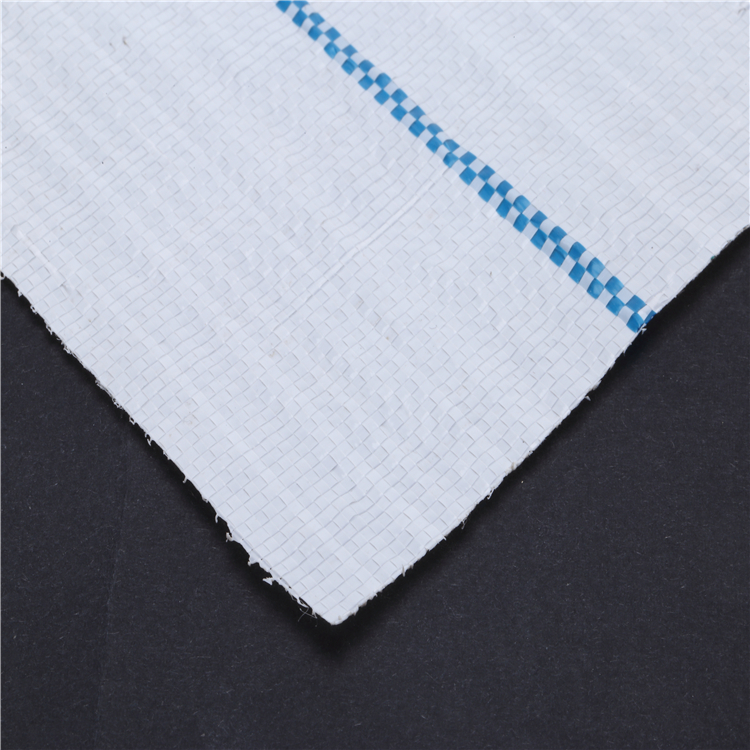
Polypropylene Woven Geotextile
Price on request
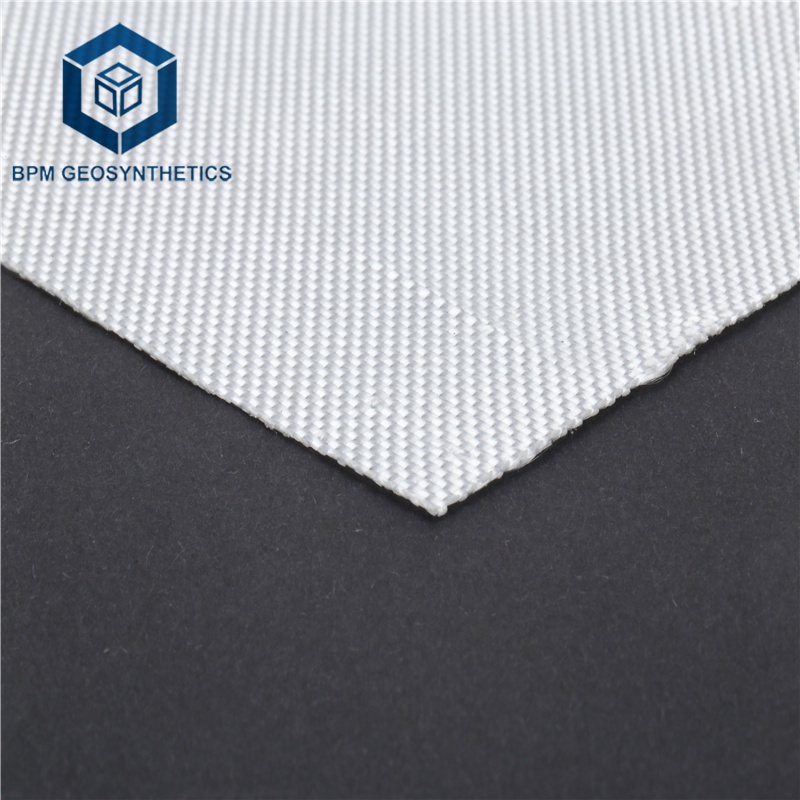
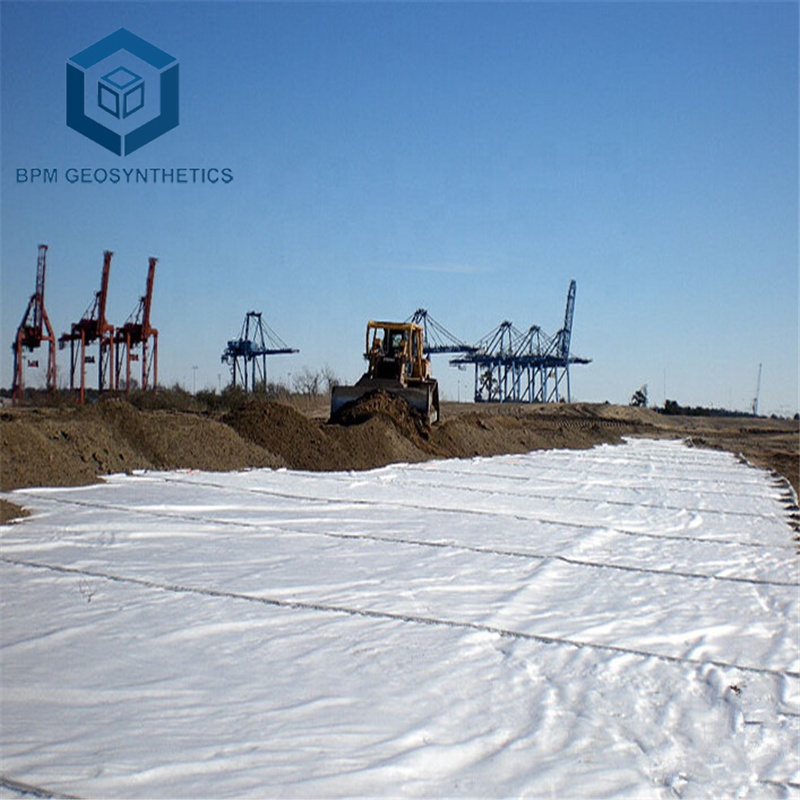
Filament Polyester Geotextile
Price on request
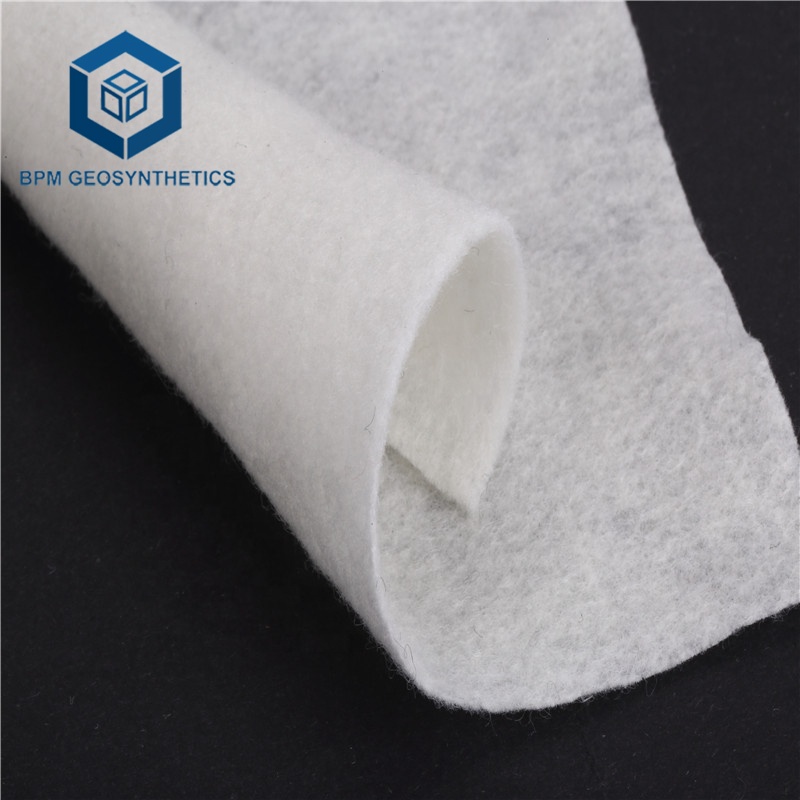
Short Staple Needled Punched Geotextile Fabric
Price on request
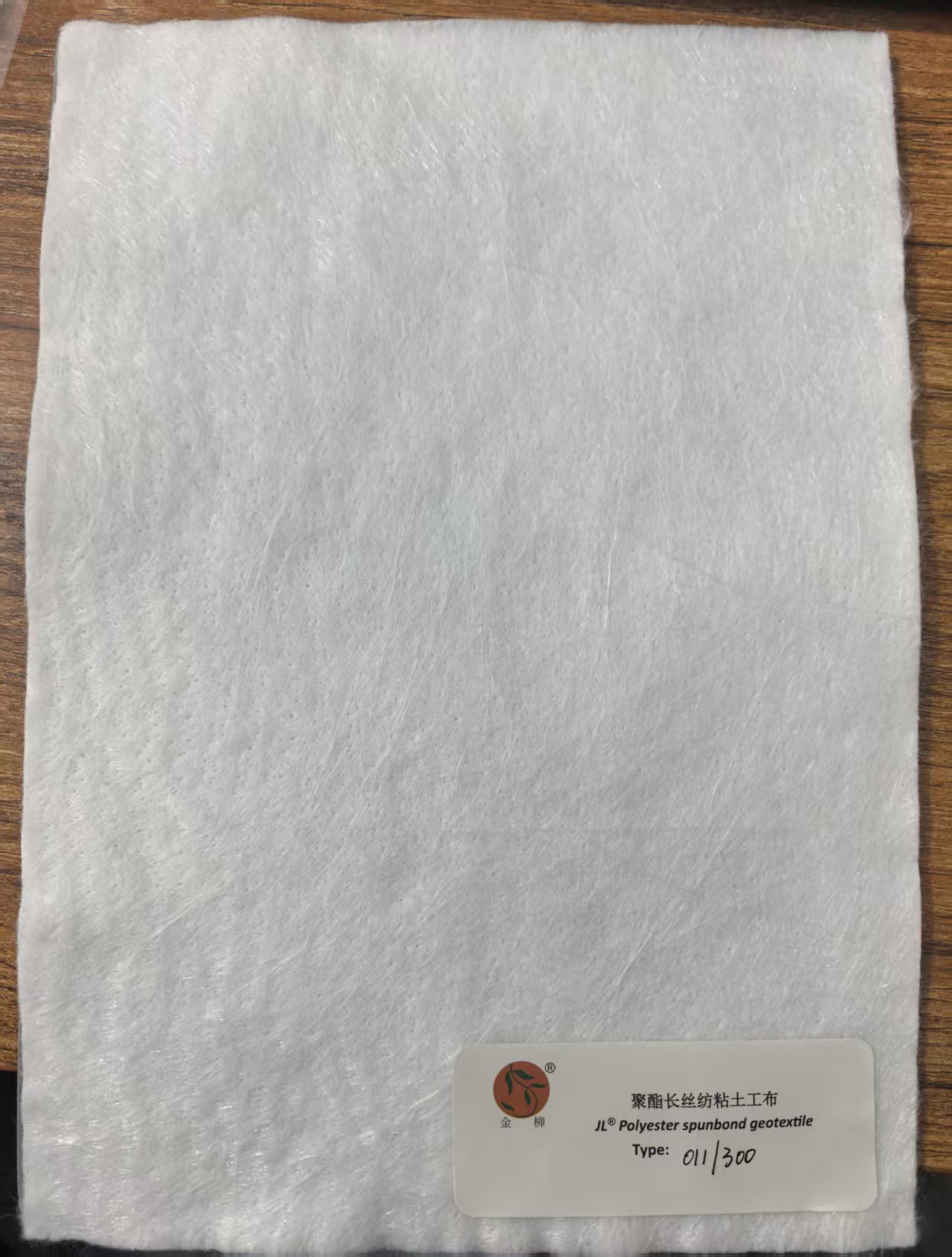
Price on request
Verify for $29