15630-89-4 CAS Sodium Percarbonate Tech Grade, Produces Powerful Bleaching, Cleaning and Sterilizing Agent to Improve Detergent of Washing Solution
WENZHOU JIAYONG TRADE CO.,LTD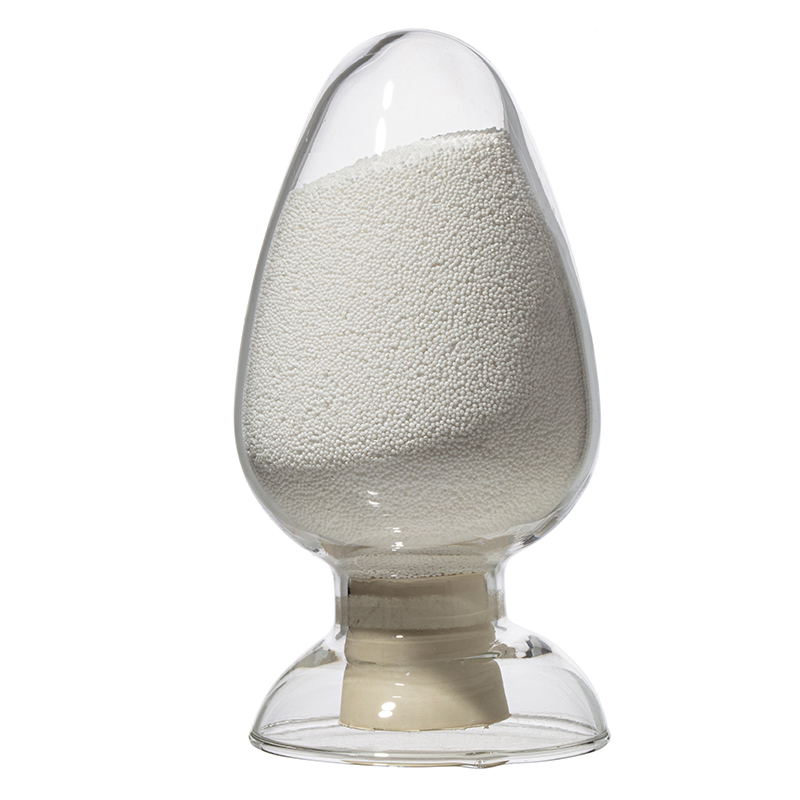
The supplier hasn’t listed a price. We can get their current prices and MOQ.
Verify from $29 · written report in 3 business days · 100% refund if unreachable
15630-89-4 CAS Sodium Percarbonate Tech Grade, Produces Powerful Bleaching, Cleaning and Sterilizing Agent to Improve Detergent of Washing Solution
WENZHOU JIAYONG TRADE CO.,LTDThe supplier hasn’t listed a price. We can get their current prices and MOQ.
Verify from $29 · written report in 3 business days · 100% refund if unreachable
About this product
- Color: White
- Exports to: Africa, Middle East, Southeast Asia, South Asia, Central Asia, USA and Canada, Latin America, Russia, Other European Countries, Japan and South Korea, Hong Kong China, Macao China and Taiwan China, Others
- Made in: Zhejiang, China
About this product
- Color: White
- Exports to: Africa, Middle East, Southeast Asia, South Asia, Central Asia, USA and Canada, Latin America, Russia, Other European Countries, Japan and South Korea, Hong Kong China, Macao China and Taiwan China, Others
- Made in: Zhejiang, China
Product details
| Color | White |
|---|
Product details
| Color | White |
|---|
From the supplier
General Information
Chemical name: Sodium percarbonate
CAS No.: 15630-89-4
Molecular formula: 2Na2CO3*3H2O
Standard Executed: HG/T 2764-1996
Packaging: in 25KG/500KG/1000KG PP woven bag with PE liner
Technical specification
Items
Standards: Uncoated
Standards: Coated
Active oxygen %
≥13.5
≥13.0
Bulk density, g/cm3
0.7-1.1
0.7-1.1
Moisture content%
≤0.2
≤0.2
Ferric(Fe) content,%
≤0.0015
≤0.0015
pH(3.0% aqueous solution, 20℃)
10-11
10-11
Water Solubility
Soluble in water
Soluble in water
Flash point
Non-flammable in standard state (at 25 ℃[77 °F], 100 kPa)
Non-flammable in standard state (at 25 ℃[77 °F], 100 kPa)
Decomposition
When heated to decomposition it emits acrid smoke and irritating vapors.
When heated to decomposition it emits acrid smoke and irritating vapors.
Sensitive
Moisture sensitive
Moisture sensitive
Storage
Keep container tightly closed in a dry and well-ventilated place. Separate from: See Chemical Dangers. Cool. Store in an area without drain or sewer access.
Keep container tightly closed in a dry and well-ventilated place. Separate from: See Chemical Dangers. Cool. Store in an area without drain or sewer access.
Shelf life/Retest
24 months
24 months
Appearance
Free flowing white granular
Free flowing white granular
Description
Sodium percarbonate is utilized primarily as a bleaching agent in cleaning products, eco-friendly bleaches, and as a laboratory source of anhydrous hydrogen peroxide. It is widely used as anionic surfactant in household detergents, such as washing powder, laundry detergent liquid, dishwashing liquid and other daily cleaners, pH regulators and water treatment products, water treatment chemicals, cosmetics, and personal care products, metal and non-metal surface treatment products, metalworking fluids, textile treatment products, dyes, and water softeners. Additionally, other uses include fungicides, algaecides, chemical synthesis, and environmental applications.
Sodium percarbonate is obtained through the reaction of sodium carbonate with hydrogen peroxide, which can be achieved via dry, spray, and wet processes. The dry method comprises spraying of aqueous hydrogen peroxide solution on solid sodium carbonate. A solid-liquid reaction yield sodium percarbonate. In the spray process, sodium percarbonate is created by a fluid bed process. Solutions of hydrogen peroxide and sodium carbonate are sprayed into a drying chamber to dehydrate. The wet process forms sodium percarbonate by crystallization.
The final product appears in the form of a white, powdered, or granular solid oxidizer.
Exposure of sodium percarbonate to impurities can lead to decomposition, resulting in the liberation of oxygen gas, heat, water, and possibly steam. These impurities include strong acids, bases, and transition metals such as copper, manganese, or chromium. Systems used for transport and storage of sodium percarbonate must be adequately vented with enough emergency venting capacity to allow the system’s contents to withstand a decomposition event without consequences.
Stability/Shelf life
Stable under recommended storage conditions.
Recommended storage: Keep container tightly closed in a dry and well-ventilated place. Separate from: See Chemical Dangers. Cool. Store in an area without drain or sewer access.
Manufacturing
Sodium percarbonate is created through the reaction of sodium carbonate with hydrogen peroxide, which can be achieved via dry, spray, and wet processes.
Industry use
The product is used in eco-friendly bleaches and other cleaning products, as well as a laboratory source of anhydrous hydrogen peroxide. Dissolved in water, it releases hydrogen peroxide and soda ash. It’s also used as a multifunctional reagent for the preparation of optically active 4-hydroxy-2-isoxazolines, plating agent, surface treating agent, and surface-active agent.
Consumer use
Sodium percarbonate is principally used as a bleaching and oxidizing agent in laundry detergents, laundry additives, and machine dishwashing products. It is an ingredient in a number of cleaning products, including eco-friendly bleach, cleaning and furnishing care products, and personal care products. Other purposes involve photographic supplies, film, and photo chemicals, water treatment products and non-TSCA use.
Solubility
Soluble in water.
Common synonyms
Sodium Carbonate Sesquiperhydrate
PCS
SPC
Solid Hydrogen Peroxide
Sodium Carbonate Hydrogen Peroxide
Sodium carbonate Peroxydicarbonate
FAQ
Q1: What is the function of Sodium percarbonate in synthetic detergent?
A: Sodium percarbonate is added into synthetic detergent as a bleaching agent. The Sodium percarbonate decomposes and releases hydrogen peroxide, which bleaches and kills germs powerfully.
Q2: Which is better for detergent formulation? Sodium percarbonate or Sodium perborate?
A: Sodium percarbonate is increasingly being used as the replacement of Sodium perborate in detergents due to its lower dissolving temperature in water, and its characteristic of no contamination on soil, as sodium perborate is made of borax which is believed to be not friendly to soil quality.
Q3: What do I need to know as precautions if I use Sodium percarbonate in my detergent formula?
A: There are 3 main points to take note when to add Sodium percarbonate in detergent formulas:
- 1. To use the coated grade Sodium percarbonate, as the coated one can be more stable during the transportation and storage of the detergents.
- 2. Make sure to have some blowholes on the packing bags/drums/buckets of your detergents, as the Sodium percarbonate slowly decomposes and releases oxygen gas. Without blowholes, the packing bags/drums/ buckets may burst over time during transportation and storage.
- 3. Make sure to add Sodium percarbonate into the room-temperature post-tower base powder, as high temperature expedites the decomposition of Sodium percarbonate.
From the supplier
General Information
Chemical name: Sodium percarbonate
CAS No.: 15630-89-4
Molecular formula: 2Na2CO3*3H2O
Standard Executed: HG/T 2764-1996
Packaging: in 25KG/500KG/1000KG PP woven bag with PE liner
Technical specification
Items
Standards: Uncoated
Standards: Coated
Active oxygen %
≥13.5
≥13.0
Bulk density, g/cm3
0.7-1.1
0.7-1.1
Moisture content%
≤0.2
≤0.2
Ferric(Fe) content,%
≤0.0015
≤0.0015
pH(3.0% aqueous solution, 20℃)
10-11
10-11
Water Solubility
Soluble in water
Soluble in water
Flash point
Non-flammable in standard state (at 25 ℃[77 °F], 100 kPa)
Non-flammable in standard state (at 25 ℃[77 °F], 100 kPa)
Decomposition
When heated to decomposition it emits acrid smoke and irritating vapors.
When heated to decomposition it emits acrid smoke and irritating vapors.
Sensitive
Moisture sensitive
Moisture sensitive
Storage
Keep container tightly closed in a dry and well-ventilated place. Separate from: See Chemical Dangers. Cool. Store in an area without drain or sewer access.
Keep container tightly closed in a dry and well-ventilated place. Separate from: See Chemical Dangers. Cool. Store in an area without drain or sewer access.
Shelf life/Retest
24 months
24 months
Appearance
Free flowing white granular
Free flowing white granular
Description
Sodium percarbonate is utilized primarily as a bleaching agent in cleaning products, eco-friendly bleaches, and as a laboratory source of anhydrous hydrogen peroxide. It is widely used as anionic surfactant in household detergents, such as washing powder, laundry detergent liquid, dishwashing liquid and other daily cleaners, pH regulators and water treatment products, water treatment chemicals, cosmetics, and personal care products, metal and non-metal surface treatment products, metalworking fluids, textile treatment products, dyes, and water softeners. Additionally, other uses include fungicides, algaecides, chemical synthesis, and environmental applications.
Sodium percarbonate is obtained through the reaction of sodium carbonate with hydrogen peroxide, which can be achieved via dry, spray, and wet processes. The dry method comprises spraying of aqueous hydrogen peroxide solution on solid sodium carbonate. A solid-liquid reaction yield sodium percarbonate. In the spray process, sodium percarbonate is created by a fluid bed process. Solutions of hydrogen peroxide and sodium carbonate are sprayed into a drying chamber to dehydrate. The wet process forms sodium percarbonate by crystallization.
The final product appears in the form of a white, powdered, or granular solid oxidizer.
Exposure of sodium percarbonate to impurities can lead to decomposition, resulting in the liberation of oxygen gas, heat, water, and possibly steam. These impurities include strong acids, bases, and transition metals such as copper, manganese, or chromium. Systems used for transport and storage of sodium percarbonate must be adequately vented with enough emergency venting capacity to allow the system’s contents to withstand a decomposition event without consequences.
Stability/Shelf life
Stable under recommended storage conditions.
Recommended storage: Keep container tightly closed in a dry and well-ventilated place. Separate from: See Chemical Dangers. Cool. Store in an area without drain or sewer access.
Manufacturing
Sodium percarbonate is created through the reaction of sodium carbonate with hydrogen peroxide, which can be achieved via dry, spray, and wet processes.
Industry use
The product is used in eco-friendly bleaches and other cleaning products, as well as a laboratory source of anhydrous hydrogen peroxide. Dissolved in water, it releases hydrogen peroxide and soda ash. It’s also used as a multifunctional reagent for the preparation of optically active 4-hydroxy-2-isoxazolines, plating agent, surface treating agent, and surface-active agent.
Consumer use
Sodium percarbonate is principally used as a bleaching and oxidizing agent in laundry detergents, laundry additives, and machine dishwashing products. It is an ingredient in a number of cleaning products, including eco-friendly bleach, cleaning and furnishing care products, and personal care products. Other purposes involve photographic supplies, film, and photo chemicals, water treatment products and non-TSCA use.
Solubility
Soluble in water.
Common synonyms
Sodium Carbonate Sesquiperhydrate
PCS
SPC
Solid Hydrogen Peroxide
Sodium Carbonate Hydrogen Peroxide
Sodium carbonate Peroxydicarbonate
FAQ
Q1: What is the function of Sodium percarbonate in synthetic detergent?
A: Sodium percarbonate is added into synthetic detergent as a bleaching agent. The Sodium percarbonate decomposes and releases hydrogen peroxide, which bleaches and kills germs powerfully.
Q2: Which is better for detergent formulation? Sodium percarbonate or Sodium perborate?
A: Sodium percarbonate is increasingly being used as the replacement of Sodium perborate in detergents due to its lower dissolving temperature in water, and its characteristic of no contamination on soil, as sodium perborate is made of borax which is believed to be not friendly to soil quality.
Q3: What do I need to know as precautions if I use Sodium percarbonate in my detergent formula?
A: There are 3 main points to take note when to add Sodium percarbonate in detergent formulas:
- 1. To use the coated grade Sodium percarbonate, as the coated one can be more stable during the transportation and storage of the detergents.
- 2. Make sure to have some blowholes on the packing bags/drums/buckets of your detergents, as the Sodium percarbonate slowly decomposes and releases oxygen gas. Without blowholes, the packing bags/drums/ buckets may burst over time during transportation and storage.
- 3. Make sure to add Sodium percarbonate into the room-temperature post-tower base powder, as high temperature expedites the decomposition of Sodium percarbonate.
About the supplier
Main products: Washing powder,Dishwashing liquid,Laundry detergent liquid,Fabric softener
- ✓Exhibited at 10 of the last 10 Canton Fairs
- ✓Foreign Trade Company
- ✓Founded 2010
- Exhibited at 10 of the last 10 Canton Fairs
- Foreign Trade Company
- Founded 2010
Similar products from other suppliers