The supplier hasn’t listed a price. We can get their current prices and MOQ.
Verify from $29 · written report in 3 business days · 100% refund if unreachable
The supplier hasn’t listed a price. We can get their current prices and MOQ.
Verify from $29 · written report in 3 business days · 100% refund if unreachable
About this product
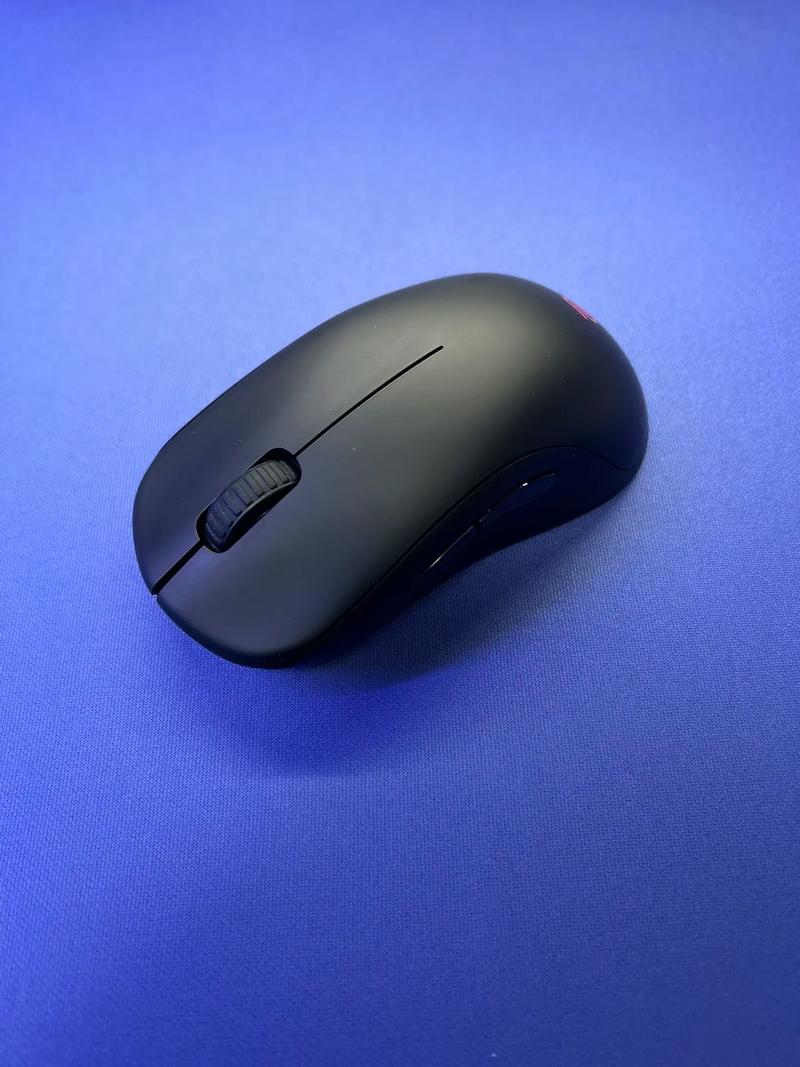
- Size: 126mm×69mm×42mm
- Color: Black/White/color
- Exports to: Africa, Middle East, Southeast Asia, South Asia, Central Asia, USA and Canada, Russia
About this product
- Size: 126mm×69mm×42mm
- Color: Black/White/color
- Exports to: Africa, Middle East, Southeast Asia, South Asia, Central Asia, USA and Canada, Russia
Product details
| Size | 126mm×69mm×42mm |
|---|---|
| Color | Black/White/color |
Product details
| Size | 126mm×69mm×42mm |
|---|---|
| Color | Black/White/color |
From the supplier
Mechanical mouse: By moving the mouse, the bottom ball is driven to rotate. The ball then rubs against the horizontal and vertical grid wheel rollers inside the mouse, driving the grid wheel to rotate and generating light pulses. These light pulses act on the photosensitive transistor to generate electrical signals, which are processed to determine the position of the mouse.
Photoelectric mouse: A light-emitting diode emits light to illuminate the desktop beneath the mouse. A CMOS sensor captures an image of the desktop and transmits it to the processing chip. The chip determines the mouse's movement trajectory by comparing the displacement of the same point in different photos.
Laser mouse: It uses laser instead of ordinary LED light. The interference fringes produced when the laser is shone on the surface of an object form light spots that are reflected onto the sensor, thereby obtaining the movement direction and distance of the mouse, and achieving higher positioning accuracy.
Wireless mouse: The mouse part works in the same way as a traditional mouse. Then, a wireless transmitter converts the mouse's movement and key press information into wireless signals and sends them out. After receiving the signals, the wireless receiver decodes them and transmits them to the host.
From the supplier
Mechanical mouse: By moving the mouse, the bottom ball is driven to rotate. The ball then rubs against the horizontal and vertical grid wheel rollers inside the mouse, driving the grid wheel to rotate and generating light pulses. These light pulses act on the photosensitive transistor to generate electrical signals, which are processed to determine the position of the mouse.
Photoelectric mouse: A light-emitting diode emits light to illuminate the desktop beneath the mouse. A CMOS sensor captures an image of the desktop and transmits it to the processing chip. The chip determines the mouse's movement trajectory by comparing the displacement of the same point in different photos.
Laser mouse: It uses laser instead of ordinary LED light. The interference fringes produced when the laser is shone on the surface of an object form light spots that are reflected onto the sensor, thereby obtaining the movement direction and distance of the mouse, and achieving higher positioning accuracy.
Wireless mouse: The mouse part works in the same way as a traditional mouse. Then, a wireless transmitter converts the mouse's movement and key press information into wireless signals and sends them out. After receiving the signals, the wireless receiver decodes them and transmits them to the host.
About the supplier
Main products: Cord knitted handwork, Nylon belt, Embroidery curtain, Jacquard curtain, Curtain cloth, Curtain button, Curtain tassel
- ✓Exhibited at 10 of the last 10 Canton Fairs
- ✓Foreign Trade Company
- ✓Founded 2004
- ✓1 certificate on file
- Exhibited at 10 of the last 10 Canton Fairs
- Foreign Trade Company
- Founded 2004
- 1 certificate on file
Similar products from other suppliers