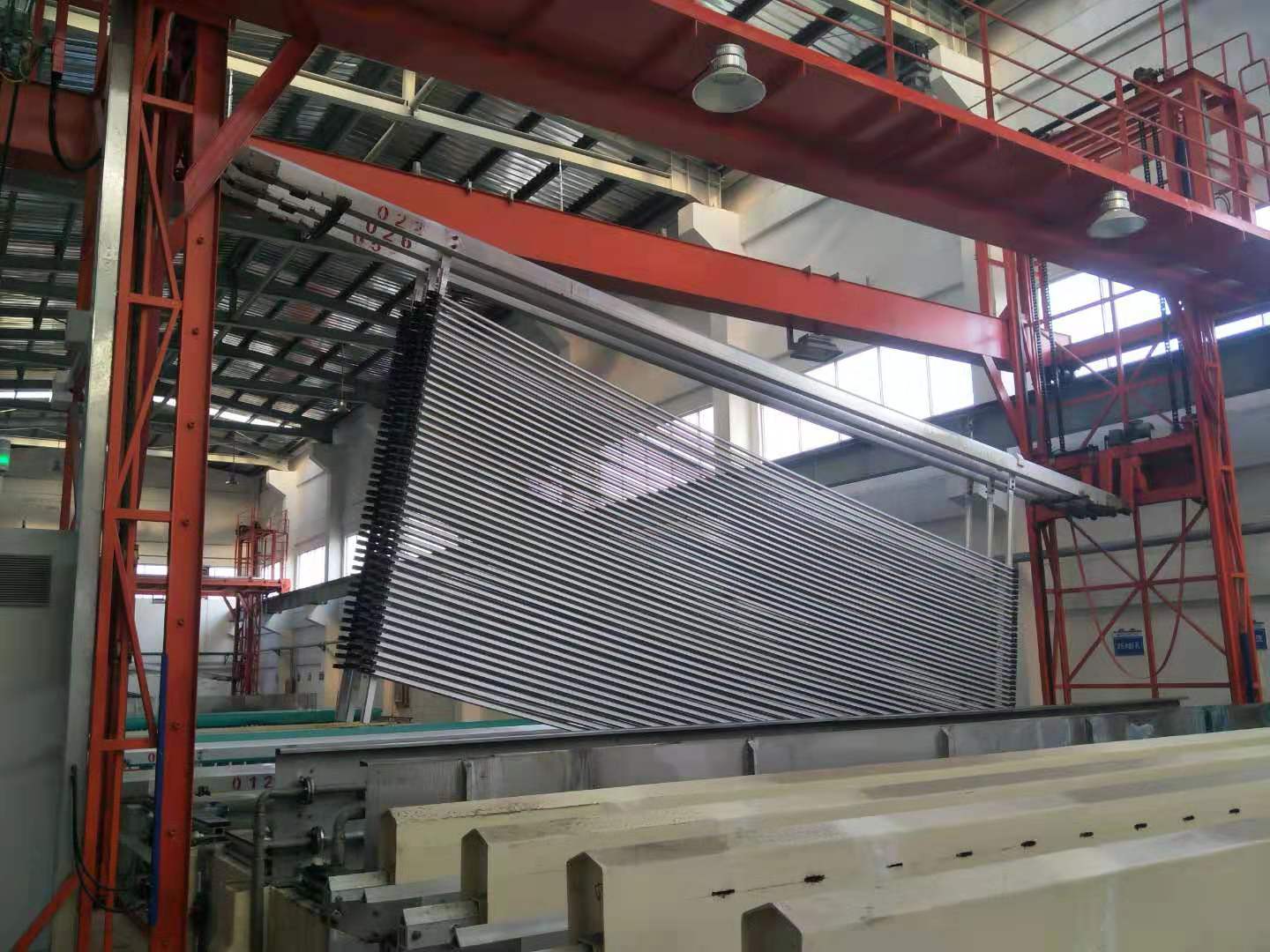
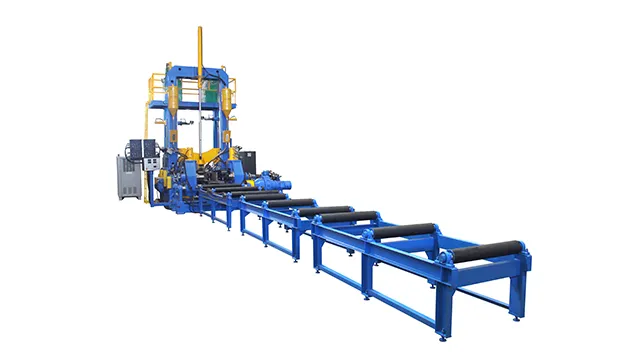
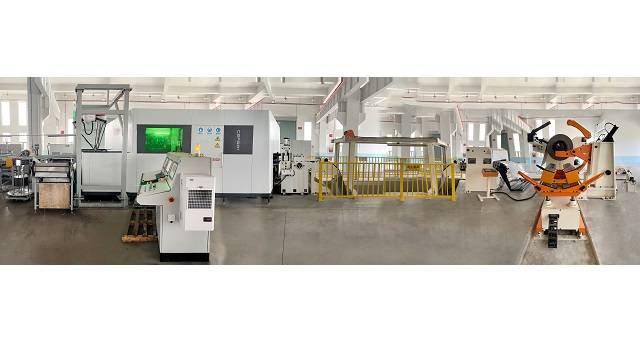
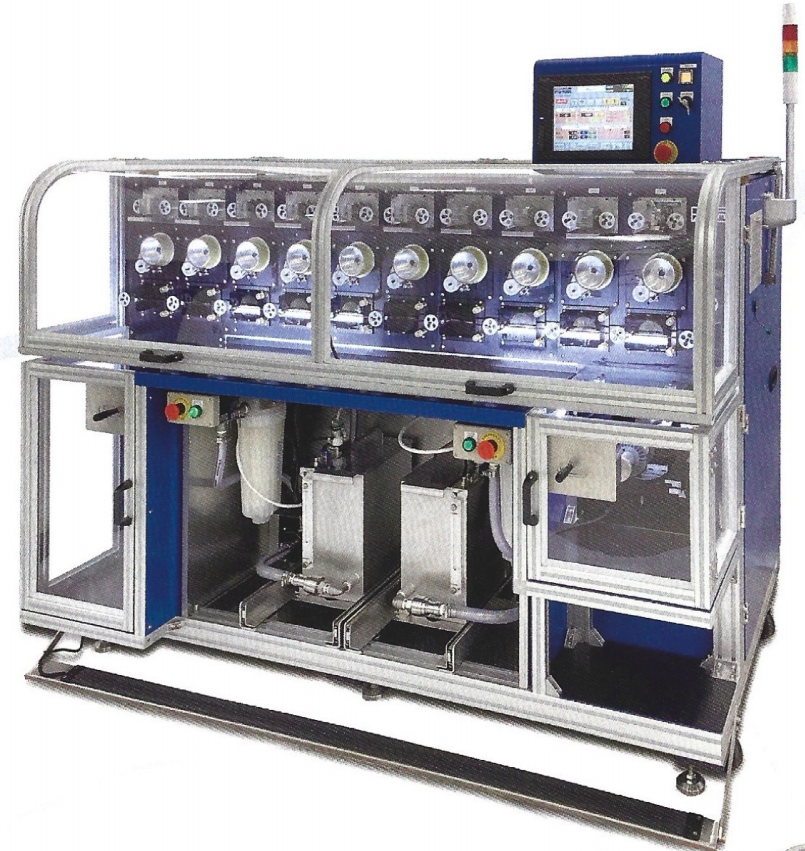
Fully automatic double-layer roll forming machine

The supplier hasn’t listed a price. We can get their current prices and MOQ.
- Service
- From $29 per supplier (Verify)
- You get
- Phone and video verification, a quote sheet and a written report
- Turnaround
- 3 business days
- Contact details
- Sent to you once your request is confirmed
If we can't reach the supplier within 3 business days, we refund the fee.
Fully automatic double-layer roll forming machine
The supplier hasn’t listed a price. We can get their current prices and MOQ.
- Service
- From $29 per supplier (Verify)
- You get
- Phone and video verification, a quote sheet and a written report
- Turnaround
- 3 business days
- Contact details
- Sent to you once your request is confirmed
If we can't reach the supplier within 3 business days, we refund the fee.
From the supplier
Functions of the Stud Welding Machine:
The stud welding machine is designed to weld studs onto different types of metal plates or structures. It uses electrical current to create a weld between the stud and the workpiece, ensuring a strong and durable connection. The machine can be used for various applications in industries such as construction, manufacturing, and automotive repair.
Components of the Stud Welding Machine:
1. Welding Gun: The welding gun holds the stud and is used to touch it against the workpiece where the weld is required.
2. Air Compressor: Provides the compressed air needed for the operation of the stud welding gun.
3. Power Supply: Supplies the electrical current necessary for the welding process.
4. Control Unit: Regulates the timing, current, and other parameters essential for proper welding.
5. Stud Feeder: Automatically feeds studs into the welding gun, ensuring a continuous welding process.
6. Trigger Mechanism: Initiates the welding sequence when the trigger is pulled.
7. Cooling System: Cools down the welding gun to prevent overheating during extended use.
Technical Parameters:
1. Welding Capacity: Typically able to weld studs ranging from 3/32” (2.4 mm) to ½” (12.7 mm) in diameter, depending on the model and specifications.
2. Welding Current Range: The range of current that the machine can supply, often adjustable to accommodate different stud sizes and materials.
3. Duty Cycle: Represents the percentage of time the welding machine can operate continuously without overheating, often expressed as a number like 30% at full power.
4. Voltage Input/Output: The range of input voltage (typically 220-240V for European standards) and output voltage that the machine operates with.
5. Weight and Dimensions: The physical weight and size of the welding machine, which are important for space planning and mobility.
6. Cooling Method: How the machine cools down after welding, usually through air or water circulation systems.
About the supplier
Main products: Galvanized steel coil,Aluminized zinc,Prepainted coils,Galvanized corrugated steel sheet,Chromatic steel,Cold rolled steel plate,Hot rolled steel sheet
- ✓Exhibited at 10 of the last 10 Canton Fairs
- ✓Foreign Trade Company
- ✓Founded 2014
- Exhibited at 10 of the last 10 Canton Fairs
- Foreign Trade Company
- Founded 2014
Similar products from other suppliers
Add a few to compare, then request quotes from all of them at once.