Tetraacetylethylenediamine (TAED) Blue/Green/ White, used as a bleach activator in laundry detergents
WENZHOU JIAYONG TRADE CO.,LTD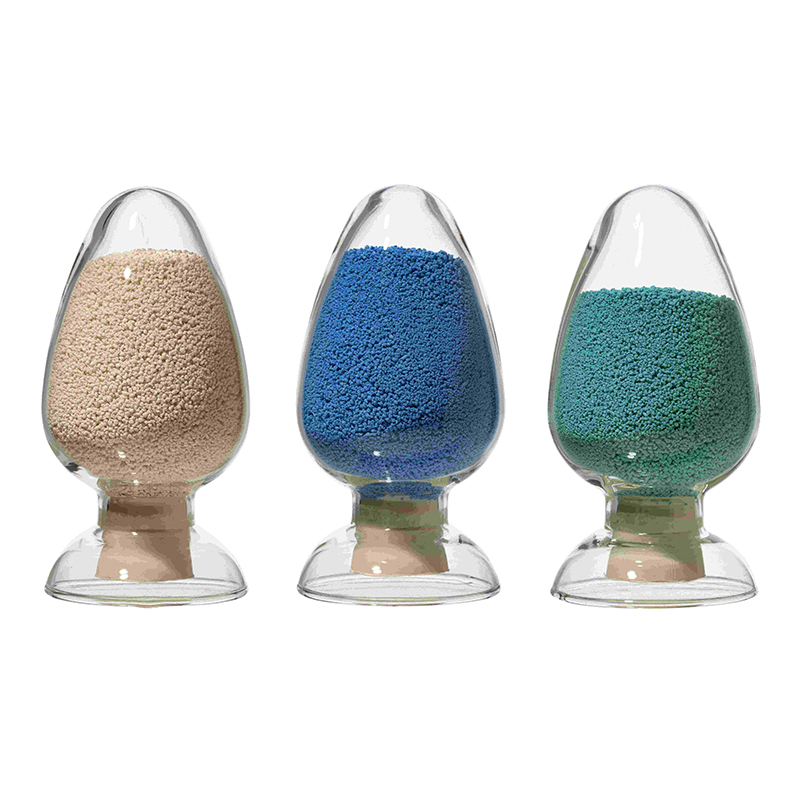
The supplier hasn’t listed a price. We can get their current prices and MOQ.
Verify from $29 · written report in 3 business days · 100% refund if not satisfied
Tetraacetylethylenediamine (TAED) Blue/Green/ White, used as a bleach activator in laundry detergents
WENZHOU JIAYONG TRADE CO.,LTDThe supplier hasn’t listed a price. We can get their current prices and MOQ.
Verify from $29 · written report in 3 business days · 100% refund if not satisfied
About this product
- Color: Blue/Green/ White
- Exports to: Africa, Middle East, Southeast Asia, South Asia, Central Asia, USA and Canada, Latin America, Russia, EU, Other European Countries, Japan and South Korea, Hong Kong China, Macao China and Taiwan China, Others
- Made in: Zhejiang, China
About this product
- Color: Blue/Green/ White
- Exports to: Africa, Middle East, Southeast Asia, South Asia, Central Asia, USA and Canada, Latin America, Russia, EU, Other European Countries, Japan and South Korea, Hong Kong China, Macao China and Taiwan China, Others
- Made in: Zhejiang, China
Product details
| Color | Blue/Green/ White |
|---|
Product details
| Color | Blue/Green/ White |
|---|
From the supplier
TETRAACETYLETHYLENEDIAMINE (TAED)
General Information
Chemical name: Tetraacetylethylenediamine (TAED)
CAS No.: 10543-57-4
Molecular formula: C10H16N2O4
Standard Executed: QB/T JK-BRIGHT-2
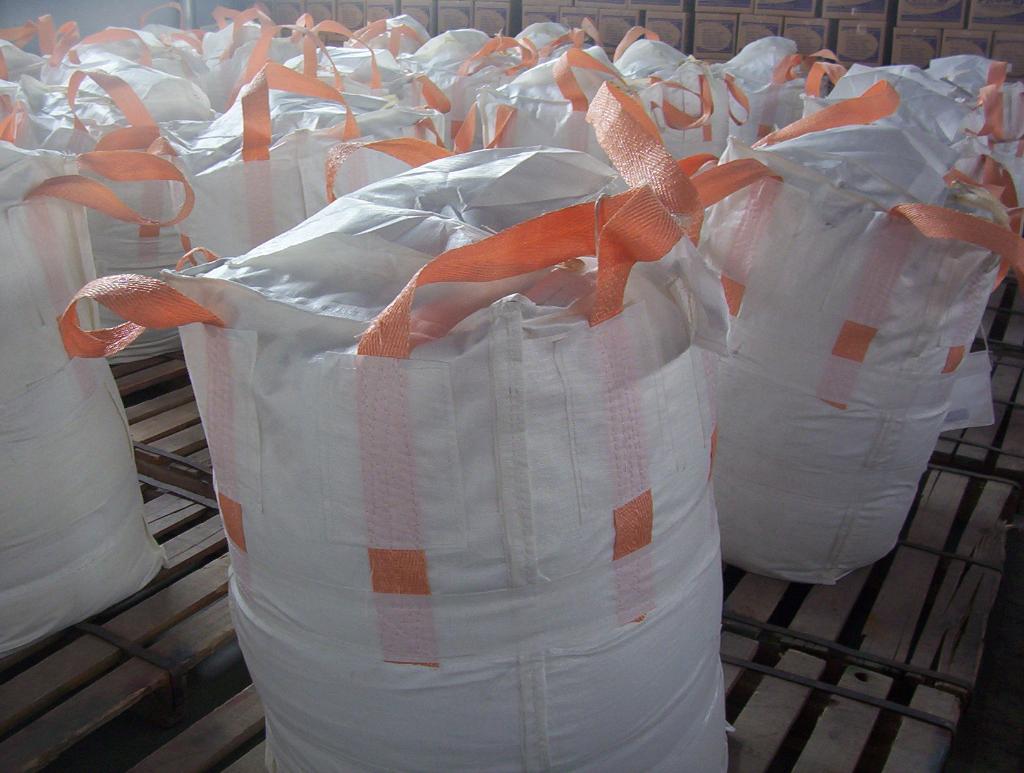
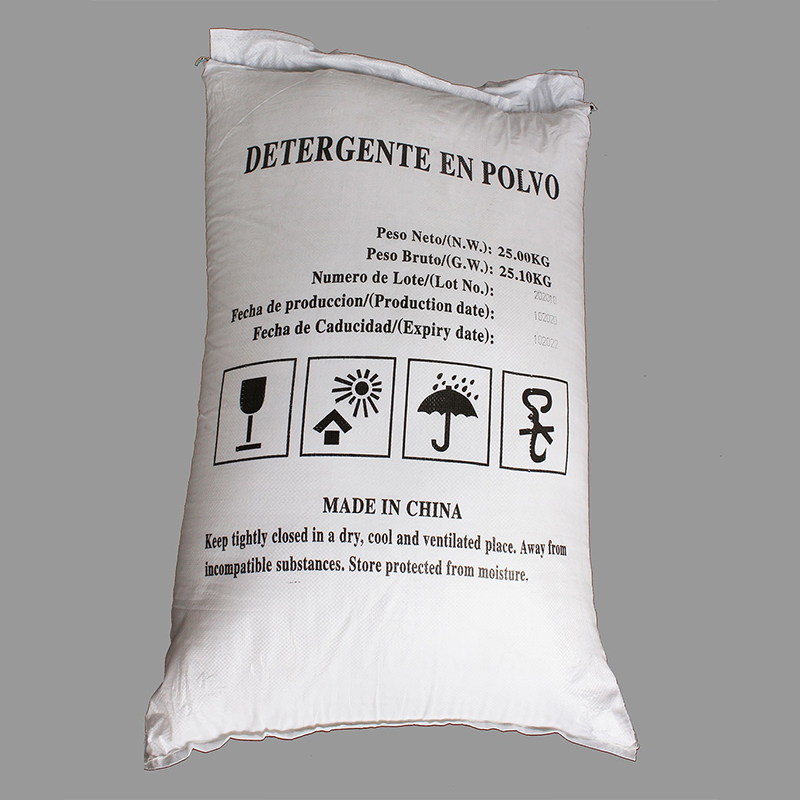
Packaging: in 25KG kraft paper bag or 600/650Kg PP jumbo bag with PE liner
Technical specification
Items
Standards
Appearance
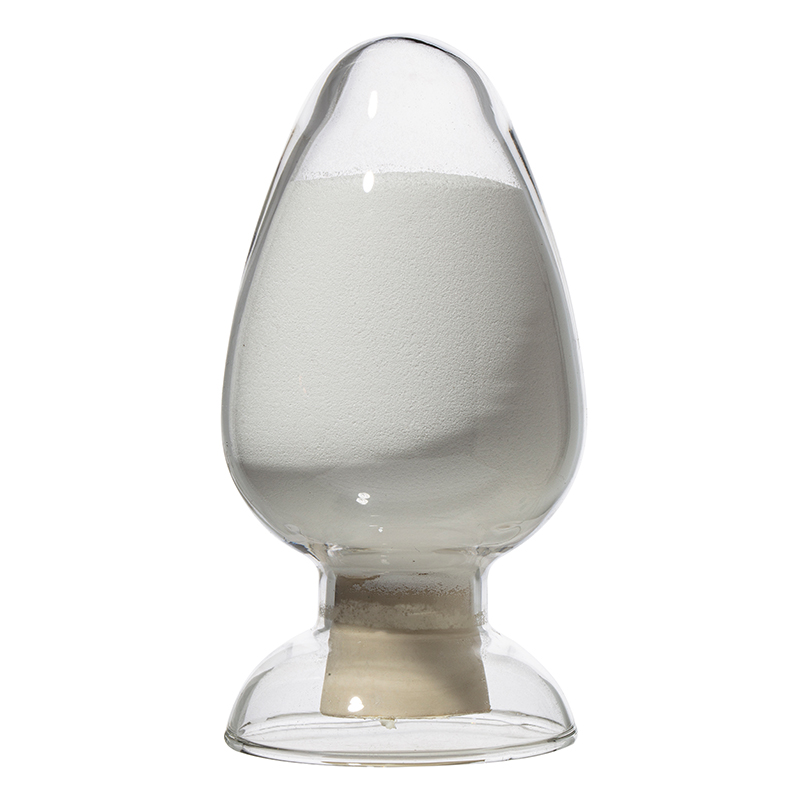
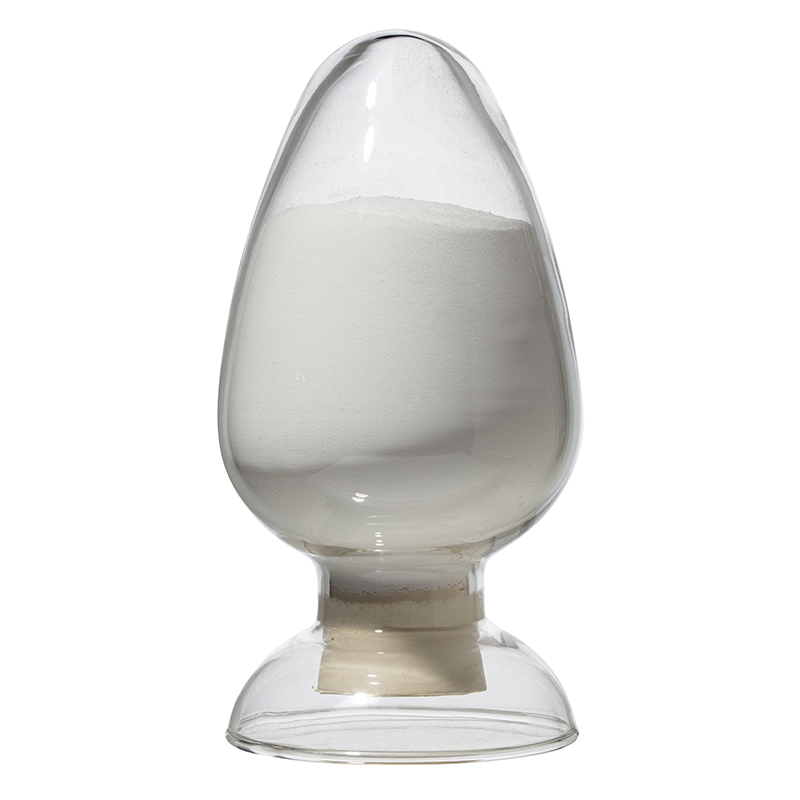
Blue/Green/ White, free flowing granules
Odour
Mild, no smell of acetic acid
Bulk density
380-580, g/l
Main content(HPLC)
92.0±2, %
Distribution of size(50g, 5min)
≥ 1600mm 2.0% max
≤0.2mm 3.0% max
Moisture content(50g, 5min)
2.0% max
Iron(Fe) content
20mg/kg max
Description
Tetraacetylethylenediamine, abbreviated as TAED, is an organic compound widely used as a bleach activator in laundry detergents. It has an active role in the cleaning process, enabling safe and effective results in lower temperatures.
TAED is a vital component of laundry detergents as an alternative to “active oxygen” bleaching agents, from sodium perborate to urea peroxide. While typical “active oxygen” agents work by releasing hydrogen peroxide during the wash cycle, that effect is only possible in temperatures below 60 °C (140 °F). On the other hand, TAED and its ability to form peroxyacetic acid allow efficient cleaning and bleaching results in lower temperature wash cycles.
Powdered TAED can be easily stabilized by granulation, with the support of the sodium salt of carboxymethylcellulose (Na-CMC). Despite the comparably low solubility of TAED in cold water, the granules still effectively dissolve in the washing solution within a couple of minutes. After starting the washing process, it melts easily and quickly in its entirety.
At present, TAED is the principal bleach activator used in European laundry detergent formulations, with a substantial annual consumption. Typical concentrations of TAED range from 1.4% to 13% in various products.
TAED is essentially non-toxic and easily biodegradable. Both Triacetylethylenediamine and its by-product DAED have low aquatic ecotoxicity and very low toxicity in all exposure routes. TAED, TriAED, and DAED are all fully biodegradable and efficiently removed during wastewater treatment. TAED is also not teratogenic or mutagenic. Its properties as a detergent component help with reducing energy usage, subsequently minimizing environmental impact in the process.
TAED has no irritating effects on skin and eyes. It also does not give any indication of skin sensitization as a result of prolonged exposure, such as hand wash.
Stability/Shelf life
Stable.
Store in a cool, dry, and dark place.
Under proper storage conditions, the shelf life of Tetraacetylethylenediamine(TAED) is two years.
Manufacturing
Two stages of TAED production include ethylenediamine (ED) and acetic anhydride (Ac2O). In the first stage, ethylenediamine (ED) is diacetylated to DAED. The second stage comprises DAED subsequently converted with acetic anhydride (Ac2O) via TriAED to create TAED. The final compound is crystallized out of the reaction mixture, and then filtered, washed, and dried. It can also be granulated, if necessary. The manufacturing process leaves no by-products or residues.
The 1:2 mixture produces a lower-quality Coconut diethanolamide, which contains residues of free diethanolamine and ethylene glycol. A higher-quality 1:1 mixture results in less free amine, which makes it suitable for use in lower concentrations than the 1:2 Coconut diethanolamide.
Fatty acids that can be used in the process are coconut oil, methyl cocoate, whole or stripped coconut acids.
The 1:2 mixture produces a lower-quality Coconut diethanolamide, which contains residues of free diethanolamine and ethylene glycol. A higher-quality 1:1 mixture results in less free amine, which makes it suitable for use in lower concentrations than the 1:2 Coconut diethanolamide.
Fatty acids that can be used in the process are coconut oil, methyl cocoate, whole or stripped coconut acids.
Industry use
Tetraacetylethylenediamine (TAED) is commonly utilized in the household detergents industry as a peroxide bleach activator. TAED is a vital component of laundry detergents and fabric bleaches, where it is used as an alternative active agent in place of sodium perborate, sodium percarbonate, sodium perphosphate, or sodium persulfate.
Other uses of TAED include the production of paper pulp (bleaching of paper). It can be found in automatic dishwasher formulations, as an active agent in common disinfectants, and as a sterilant in a variety of cleaners and solutions for medical use. Tetraacetylethylenediamine reacts with hydrogen peroxide to form peracetic acid, which is a powerful color-safe bleaching agent and biocide. The resulting compound features strong bactericidal, virucidal, and fungicidal properties, enabling TAED to disinfect and deodorize.
It’s also used as a surfactant in soap bars, light-duty detergents, and dishwashing detergents, as well as a delinting agent for cottonseed. CDEA can be added to lauryl sulfate-based liquid cleansers to help stabilize and improve foam formation.
Coconut oil diethanolamine condensate is a corrosion inhibitor in water-based, semi-synthetic, and synthetic metal-working fluids, also found in polishing agents. As an antistatic agent, it can be found in plastics, such as polyethylene film for food packaging and rigid polyvinyl chloride. In combination with metallic salts, it works as an antistatic for polystyrene and in impact-resistant rubber polystyrene blends.
Other uses include electric plating, shoe polish, printing ink, and more.
It’s also used as a surfactant in soap bars, light-duty detergents, and dishwashing detergents, as well as a delinting agent for cottonseed. CDEA can be added to lauryl sulfate-based liquid cleansers to help stabilize and improve foam formation.
Coconut oil diethanolamine condensate is a corrosion inhibitor in water-based, semi-synthetic, and synthetic metal-working fluids, also found in polishing agents. As an antistatic agent, it can be found in plastics, such as polyethylene film for food packaging and rigid polyvinyl chloride. In combination with metallic salts, it works as an antistatic for polystyrene and in impact-resistant rubber polystyrene blends.
Other uses include electric plating, shoe polish, printing ink, and more.
Consumer use
Most of the TAED consumption in households relates to the use as a bleaching activator in detergents. It’s a highly efficient agent, able to bleach a broad range of stubborn stains, from tea and coffee to wine and food. It also significantly contributes to the overall whiteness of the laundry. As a detergent component, TAED is also active in removing unpleasant scents through its antimicrobial performance, while remaining gentle to the fibers.
With TAED presented in the formula, stains such as coffee, tea, coffee, and fruit juices can be effectively removed at water temperatures as low as 15 °C.
Solubility
Soluble in methylene chloride and chloroform, partially soluble in water and acetone.
Common synonyms
TAED;
N,N′-(Ethane-1,2-diyl)bis(N-acetylacetamide);
N,N′-ethylenebis(diacetamide)
FAQ
Q1: What bleaching agent can be used along with TAED?
A: Yes they do have the same function and power. The color is only serving as an embellishment helping to promote the household detergents.
Q2: Do the TAED with different colors(Green/Blue/White) the same function and power?
A: Yes they do have the same function and power. The color is only serving as an embellishment helping to promote the household detergents.
Q3: What is your MOQ for TAED? Can I order different colors in one shipment?
A: Our MOQ for TAED is 3 tons, and yes, we can mix load colors in one shipment.
From the supplier
TETRAACETYLETHYLENEDIAMINE (TAED)
General Information
Chemical name: Tetraacetylethylenediamine (TAED)
CAS No.: 10543-57-4
Molecular formula: C10H16N2O4
Standard Executed: QB/T JK-BRIGHT-2
Packaging: in 25KG kraft paper bag or 600/650Kg PP jumbo bag with PE liner
Technical specification
Items
Standards
Appearance
Blue/Green/ White, free flowing granules
Odour
Mild, no smell of acetic acid
Bulk density
380-580, g/l
Main content(HPLC)
92.0±2, %
Distribution of size(50g, 5min)
≥ 1600mm 2.0% max
≤0.2mm 3.0% max
Moisture content(50g, 5min)
2.0% max
Iron(Fe) content
20mg/kg max
Description
Tetraacetylethylenediamine, abbreviated as TAED, is an organic compound widely used as a bleach activator in laundry detergents. It has an active role in the cleaning process, enabling safe and effective results in lower temperatures.
TAED is a vital component of laundry detergents as an alternative to “active oxygen” bleaching agents, from sodium perborate to urea peroxide. While typical “active oxygen” agents work by releasing hydrogen peroxide during the wash cycle, that effect is only possible in temperatures below 60 °C (140 °F). On the other hand, TAED and its ability to form peroxyacetic acid allow efficient cleaning and bleaching results in lower temperature wash cycles.
Powdered TAED can be easily stabilized by granulation, with the support of the sodium salt of carboxymethylcellulose (Na-CMC). Despite the comparably low solubility of TAED in cold water, the granules still effectively dissolve in the washing solution within a couple of minutes. After starting the washing process, it melts easily and quickly in its entirety.
At present, TAED is the principal bleach activator used in European laundry detergent formulations, with a substantial annual consumption. Typical concentrations of TAED range from 1.4% to 13% in various products.
TAED is essentially non-toxic and easily biodegradable. Both Triacetylethylenediamine and its by-product DAED have low aquatic ecotoxicity and very low toxicity in all exposure routes. TAED, TriAED, and DAED are all fully biodegradable and efficiently removed during wastewater treatment. TAED is also not teratogenic or mutagenic. Its properties as a detergent component help with reducing energy usage, subsequently minimizing environmental impact in the process.
TAED has no irritating effects on skin and eyes. It also does not give any indication of skin sensitization as a result of prolonged exposure, such as hand wash.
Stability/Shelf life
Stable.
Store in a cool, dry, and dark place.
Under proper storage conditions, the shelf life of Tetraacetylethylenediamine(TAED) is two years.
Manufacturing
Two stages of TAED production include ethylenediamine (ED) and acetic anhydride (Ac2O). In the first stage, ethylenediamine (ED) is diacetylated to DAED. The second stage comprises DAED subsequently converted with acetic anhydride (Ac2O) via TriAED to create TAED. The final compound is crystallized out of the reaction mixture, and then filtered, washed, and dried. It can also be granulated, if necessary. The manufacturing process leaves no by-products or residues.
The 1:2 mixture produces a lower-quality Coconut diethanolamide, which contains residues of free diethanolamine and ethylene glycol. A higher-quality 1:1 mixture results in less free amine, which makes it suitable for use in lower concentrations than the 1:2 Coconut diethanolamide.
Fatty acids that can be used in the process are coconut oil, methyl cocoate, whole or stripped coconut acids.
The 1:2 mixture produces a lower-quality Coconut diethanolamide, which contains residues of free diethanolamine and ethylene glycol. A higher-quality 1:1 mixture results in less free amine, which makes it suitable for use in lower concentrations than the 1:2 Coconut diethanolamide.
Fatty acids that can be used in the process are coconut oil, methyl cocoate, whole or stripped coconut acids.
Industry use
Tetraacetylethylenediamine (TAED) is commonly utilized in the household detergents industry as a peroxide bleach activator. TAED is a vital component of laundry detergents and fabric bleaches, where it is used as an alternative active agent in place of sodium perborate, sodium percarbonate, sodium perphosphate, or sodium persulfate.
Other uses of TAED include the production of paper pulp (bleaching of paper). It can be found in automatic dishwasher formulations, as an active agent in common disinfectants, and as a sterilant in a variety of cleaners and solutions for medical use. Tetraacetylethylenediamine reacts with hydrogen peroxide to form peracetic acid, which is a powerful color-safe bleaching agent and biocide. The resulting compound features strong bactericidal, virucidal, and fungicidal properties, enabling TAED to disinfect and deodorize.
It’s also used as a surfactant in soap bars, light-duty detergents, and dishwashing detergents, as well as a delinting agent for cottonseed. CDEA can be added to lauryl sulfate-based liquid cleansers to help stabilize and improve foam formation.
Coconut oil diethanolamine condensate is a corrosion inhibitor in water-based, semi-synthetic, and synthetic metal-working fluids, also found in polishing agents. As an antistatic agent, it can be found in plastics, such as polyethylene film for food packaging and rigid polyvinyl chloride. In combination with metallic salts, it works as an antistatic for polystyrene and in impact-resistant rubber polystyrene blends.
Other uses include electric plating, shoe polish, printing ink, and more.
It’s also used as a surfactant in soap bars, light-duty detergents, and dishwashing detergents, as well as a delinting agent for cottonseed. CDEA can be added to lauryl sulfate-based liquid cleansers to help stabilize and improve foam formation.
Coconut oil diethanolamine condensate is a corrosion inhibitor in water-based, semi-synthetic, and synthetic metal-working fluids, also found in polishing agents. As an antistatic agent, it can be found in plastics, such as polyethylene film for food packaging and rigid polyvinyl chloride. In combination with metallic salts, it works as an antistatic for polystyrene and in impact-resistant rubber polystyrene blends.
Other uses include electric plating, shoe polish, printing ink, and more.
Consumer use
Most of the TAED consumption in households relates to the use as a bleaching activator in detergents. It’s a highly efficient agent, able to bleach a broad range of stubborn stains, from tea and coffee to wine and food. It also significantly contributes to the overall whiteness of the laundry. As a detergent component, TAED is also active in removing unpleasant scents through its antimicrobial performance, while remaining gentle to the fibers.
With TAED presented in the formula, stains such as coffee, tea, coffee, and fruit juices can be effectively removed at water temperatures as low as 15 °C.
Solubility
Soluble in methylene chloride and chloroform, partially soluble in water and acetone.
Common synonyms
TAED;
N,N′-(Ethane-1,2-diyl)bis(N-acetylacetamide);
N,N′-ethylenebis(diacetamide)
FAQ
Q1: What bleaching agent can be used along with TAED?
A: Yes they do have the same function and power. The color is only serving as an embellishment helping to promote the household detergents.
Q2: Do the TAED with different colors(Green/Blue/White) the same function and power?
A: Yes they do have the same function and power. The color is only serving as an embellishment helping to promote the household detergents.
Q3: What is your MOQ for TAED? Can I order different colors in one shipment?
A: Our MOQ for TAED is 3 tons, and yes, we can mix load colors in one shipment.
About the supplier
Main products: Washing powder,Dishwashing liquid,Laundry detergent liquid,Fabric softener
- ✓Exhibited at 10 of the last 10 Canton Fairs
- ✓Foreign Trade Company
- ✓Founded 2010
Housewares exhibitors show in Phase 2 of the Canton Fair, 23 to 27 October 2026.
- Exhibited at 10 of the last 10 Canton Fairs
- Foreign Trade Company
- Founded 2010
More from WENZHOU JIAYONG TRADE CO.,LTD


Similar products from other suppliers