27344-41-8 CAS Optical Brightener Agent (OBA) CBS-X for Laundry Detergent, Make the Clothes Appear Visually Cleaner/Whiter/Brighter
WENZHOU JIAYONG TRADE CO.,LTD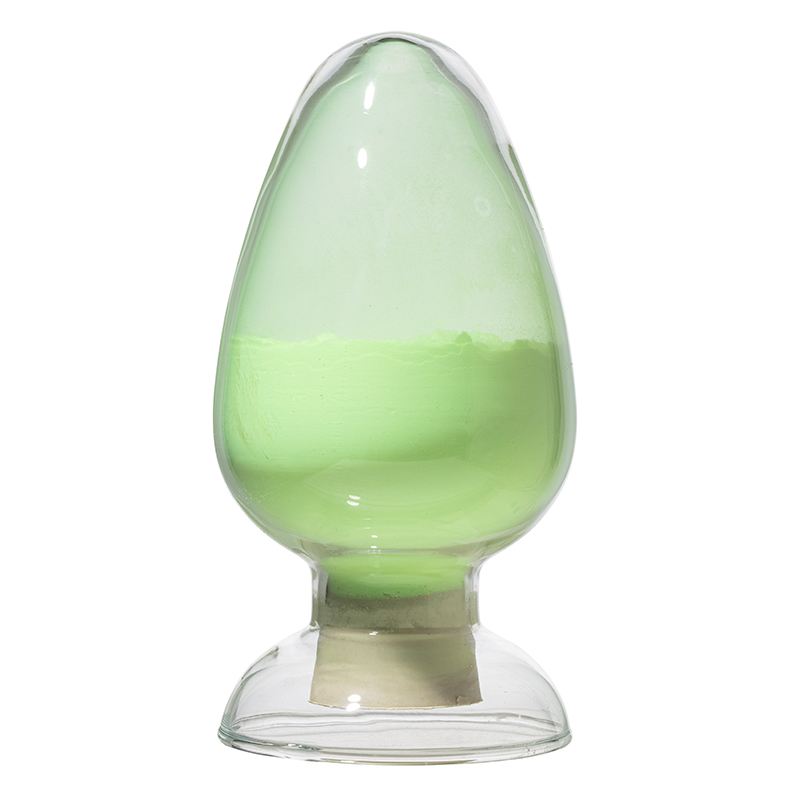
The supplier hasn’t listed a price. We can get their current prices and MOQ.
Verify from $29 · written report in 3 business days · 100% refund if not satisfied
27344-41-8 CAS Optical Brightener Agent (OBA) CBS-X for Laundry Detergent, Make the Clothes Appear Visually Cleaner/Whiter/Brighter
WENZHOU JIAYONG TRADE CO.,LTDThe supplier hasn’t listed a price. We can get their current prices and MOQ.
Verify from $29 · written report in 3 business days · 100% refund if not satisfied
About this product
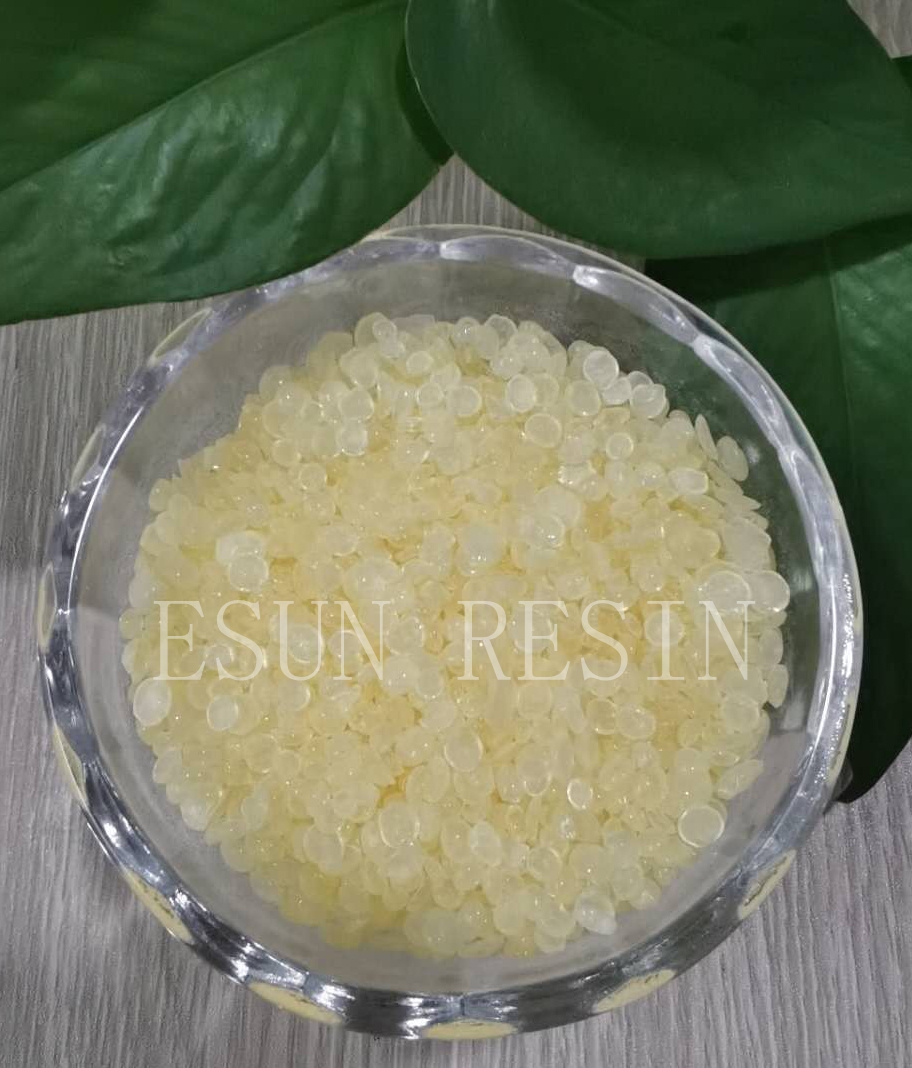
- Size: 0.1mm<grain size<0.4mm
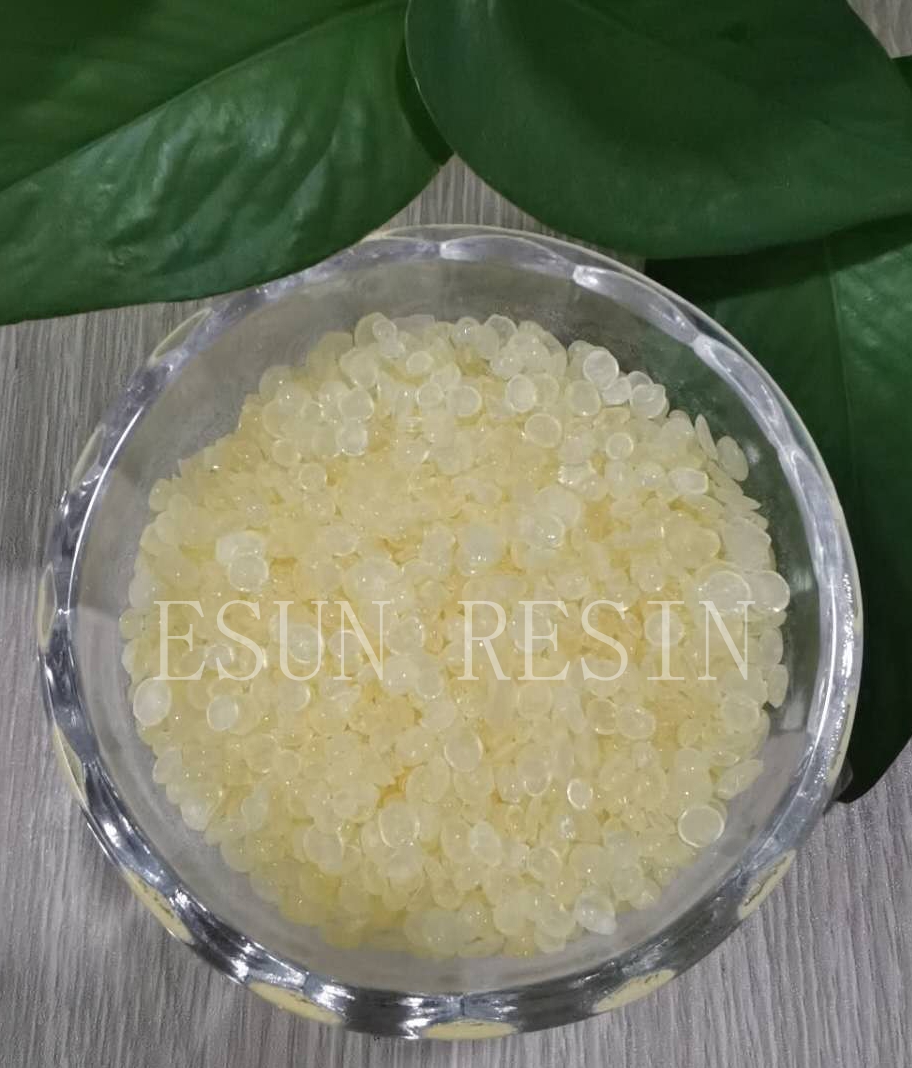
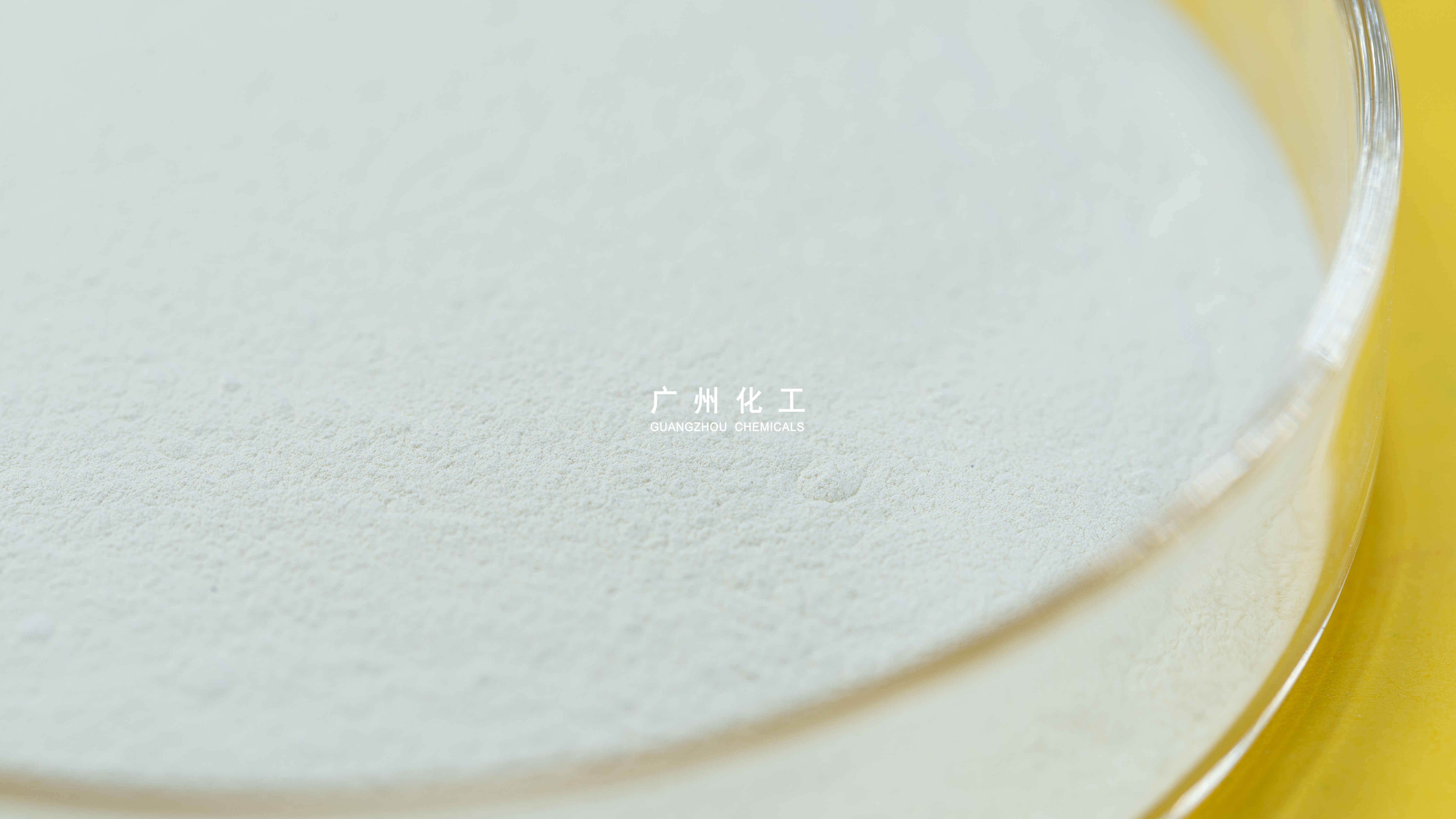
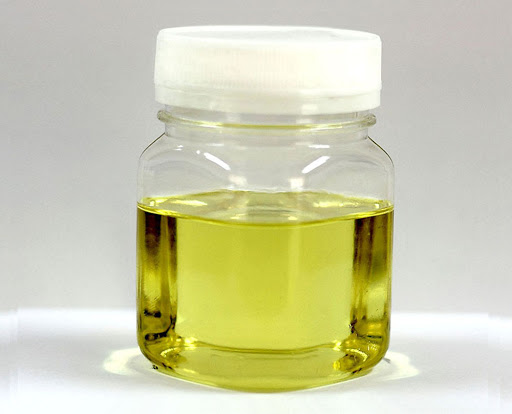
- Color: Greenish-yellow color
- Exports to: Africa, Middle East, Southeast Asia, South Asia, Central Asia, USA and Canada, Latin America, Russia, Other European Countries, Japan and South Korea, Hong Kong China, Macao China and Taiwan China, Others
- Made in: Shanxi, China
About this product
- Size: 0.1mm<grain size<0.4mm
- Color: Greenish-yellow color
- Exports to: Africa, Middle East, Southeast Asia, South Asia, Central Asia, USA and Canada, Latin America, Russia, Other European Countries, Japan and South Korea, Hong Kong China, Macao China and Taiwan China, Others
- Made in: Shanxi, China
Product details
| Size | 0.1mm<grain size<0.4mm |
|---|---|
| Color | Greenish-yellow color |
Product details
| Size | 0.1mm<grain size<0.4mm |
|---|---|
| Color | Greenish-yellow color |
From the supplier
General Information
Chemical name: Optical Brightening Agents
CAS No.: 27344-41-8
Molecular formula: C28H20Na2O6S2
Standard executed: HG/T 3726-2010
Packaging: in 20KG/25KG Craft paper drums/ cartons/ bags with PE liner
Technical specification
Testing items
Standards
Appearance
Greenish-yellow color micro granular materials
Molecular Weight
562.6 g/mol
Odor
Characteristic
pH value
7-8
Moisture
≤5%
Solubility at 70℃
Clear
Absorbance UV VIS Spectroscopy 7.5 MG/L Water 349NM.10MM
0.829 -0.885
Absorption 1% /dil/ 1cm UV-VIS
1105-1181
Shelf life/Retest
24 months
Melting Point
>300°C (dec.)
Density
1.414g/cm3 (25 ℃) in standard state (at 25 ℃[77 °F], 100 kPa)
Water solubility
25 g L−1 at 25 °C
Description
Optical brightening agents (OBAs), or fluorescent whitening agents (FWAs), or fluorescent brightening agents (FBAs) are chemical compounds with the ability to absorb ultraviolet light and re-emit it in the blue region by fluorescence. This light-reflecting process provides an effect of extraordinary whiteness/brightness. Optical brightener gets absorbed from the formula by textile fibers, without getting removed in rinsing.
For that purpose, they are commonly utilized as additives with a role to enhance the color appearance of fabric and paper through a “whitening” effect. By compensating for the deficit in blue and purple light reflected by the material, fluorescent brightening agents minimize the visibility of yellow and orange hues.
Once deposited on fabrics, optical brighteners improve the crispiness of white or light-colored fabrics. Even at low levels, their contribution to the overall whiteness performance of the detergent formulas is significant. That asset made OBAs a popular ingredient in almost all kinds of detergents. Most white fabrics in the market have already been brightened during the manufacturing process. This initial brightener gets progressively removed by successive washes. The optical brightener’s function in the solution is to take the role of that brightener and gradually replace it while preserving the original features of the fabric.
As the fluorescent material loses energy, some slight changes in color may occur. New optical whiteners, applied during the next laundering process, reverse that effect.
Chemically, brighteners are large organic molecules derived from stilbenes or biphenyls.
While the optical brightening agents resemble old-style laundry bluing in several ways, there are significant distinctions between the two methods. The first process results in blue dye or pigment absorbing yellow light falling on the fabrics, thus reflecting light richer in blue hues that enhance the brightening effect. With the bluing process, however, the material absorbs a portion of the light falling on it, reflecting less light than it receives. That leads to a whiter, but not brighter appearance of the fabric.
Stability/Shelf life
Stable. It’s compatible with bleaching agents such as hypochlorite and peroxide and also with alkali, acids, and perspiration.
Storage conditions: Store the container tightly closed in a dry, cool, and well-ventilated place. Store apart from foodstuff containers or incompatible materials. The product must be stored away from light.
Manufacturing
There are two processes for the production of optical brightener CBS-X. One is the biphenyl methylation—witting method: Biphenyl is used as raw material, through chloromethylation, esterification, and condensation. The other is the diazotization-heck method: Using halogenated benzene as raw material, it is synthesized by reacting with olefin compounds under a palladium catalyst.
Industry use
The primary purpose of detergent brighteners in laundry detergent formulas is to make the clothes appear visually cleaner/whiter/brighter. In this field, optical brighteners have proven more advanced solutions compared to bleaches and bluing, formerly used to produce the same effect but with consequences.
Brighteners are also used in the paper industry for manufacturing high brightness papers, with a strong fluorescent appearance under UV illumination. Optical brightening agents also have their place in cosmetics.
Another vital field of OBAs application is the manufacture of light-sensitive photographic papers. Using brightening agents enables the production of photographic prints with enhanced brightness of the white areas.
- Common industry uses of optical brighteners:
- Detergent whitener, replacing bleach/bluing
- Paper brightening, as coating or internal
- Internal fiber whitening
- External textile whitening for fabric finishes
- Brightening/color-correcting additive in cosmetic formulas
Standard dosage in detergents:
- Powder detergent: 0.05-0.25% (home care)
- Liquid detergent: 0.05-0.10% (home care)
- Bar soap: 0.02-0.10%
- Softeners: 0.02-0.05%
Consumer use
White fabrics, in particular, tend to show signs of weariness over time, and extensive washing leads to a yellowish appearance. Optical brighteners extend the lifespan of such fabrics, improving their visual properties with almost no adverse effects.
OBAs have a range of applications in cosmetic industry formulas. It’s one of the common ingredients in shampoos and conditioners for gray or blonde hair, where they enhance the luminance of strands and correct unwanted tones or discoloration. Some face foundation formulas contain OBA microspheres to improve the complexion and mask the dark areas.
Solubility
Hydrophilic, very soluble: easy to formulate in all product types.
Common synonyms
Brightener
Optical Whitener
Optical Brighteners
Fluorescent Brightening Agents
Fluorescent Whitening Agents
FAQ
Q1: Is your CBS-X in powder or granule form?
A: We have both options. Granule one has better free-flowing properties and can be dust-free during use.
Q2: What is your MOQ?
A: Our MOQ for this product is 500Kg, and we can mix load it with other detergent chemicals.
Q3: Is this product eco-friendly?
A: Yes CBS-X is found to be biodegradable in the aquatic environment and not harmful to the ecosystem.
From the supplier
General Information
Chemical name: Optical Brightening Agents
CAS No.: 27344-41-8
Molecular formula: C28H20Na2O6S2
Standard executed: HG/T 3726-2010
Packaging: in 20KG/25KG Craft paper drums/ cartons/ bags with PE liner
Technical specification
Testing items
Standards
Appearance
Greenish-yellow color micro granular materials
Molecular Weight
562.6 g/mol
Odor
Characteristic
pH value
7-8
Moisture
≤5%
Solubility at 70℃
Clear
Absorbance UV VIS Spectroscopy 7.5 MG/L Water 349NM.10MM
0.829 -0.885
Absorption 1% /dil/ 1cm UV-VIS
1105-1181
Shelf life/Retest
24 months
Melting Point
>300°C (dec.)
Density
1.414g/cm3 (25 ℃) in standard state (at 25 ℃[77 °F], 100 kPa)
Water solubility
25 g L−1 at 25 °C
Description
Optical brightening agents (OBAs), or fluorescent whitening agents (FWAs), or fluorescent brightening agents (FBAs) are chemical compounds with the ability to absorb ultraviolet light and re-emit it in the blue region by fluorescence. This light-reflecting process provides an effect of extraordinary whiteness/brightness. Optical brightener gets absorbed from the formula by textile fibers, without getting removed in rinsing.
For that purpose, they are commonly utilized as additives with a role to enhance the color appearance of fabric and paper through a “whitening” effect. By compensating for the deficit in blue and purple light reflected by the material, fluorescent brightening agents minimize the visibility of yellow and orange hues.
Once deposited on fabrics, optical brighteners improve the crispiness of white or light-colored fabrics. Even at low levels, their contribution to the overall whiteness performance of the detergent formulas is significant. That asset made OBAs a popular ingredient in almost all kinds of detergents. Most white fabrics in the market have already been brightened during the manufacturing process. This initial brightener gets progressively removed by successive washes. The optical brightener’s function in the solution is to take the role of that brightener and gradually replace it while preserving the original features of the fabric.
As the fluorescent material loses energy, some slight changes in color may occur. New optical whiteners, applied during the next laundering process, reverse that effect.
Chemically, brighteners are large organic molecules derived from stilbenes or biphenyls.
While the optical brightening agents resemble old-style laundry bluing in several ways, there are significant distinctions between the two methods. The first process results in blue dye or pigment absorbing yellow light falling on the fabrics, thus reflecting light richer in blue hues that enhance the brightening effect. With the bluing process, however, the material absorbs a portion of the light falling on it, reflecting less light than it receives. That leads to a whiter, but not brighter appearance of the fabric.
Stability/Shelf life
Stable. It’s compatible with bleaching agents such as hypochlorite and peroxide and also with alkali, acids, and perspiration.
Storage conditions: Store the container tightly closed in a dry, cool, and well-ventilated place. Store apart from foodstuff containers or incompatible materials. The product must be stored away from light.
Manufacturing
There are two processes for the production of optical brightener CBS-X. One is the biphenyl methylation—witting method: Biphenyl is used as raw material, through chloromethylation, esterification, and condensation. The other is the diazotization-heck method: Using halogenated benzene as raw material, it is synthesized by reacting with olefin compounds under a palladium catalyst.
Industry use
The primary purpose of detergent brighteners in laundry detergent formulas is to make the clothes appear visually cleaner/whiter/brighter. In this field, optical brighteners have proven more advanced solutions compared to bleaches and bluing, formerly used to produce the same effect but with consequences.
Brighteners are also used in the paper industry for manufacturing high brightness papers, with a strong fluorescent appearance under UV illumination. Optical brightening agents also have their place in cosmetics.
Another vital field of OBAs application is the manufacture of light-sensitive photographic papers. Using brightening agents enables the production of photographic prints with enhanced brightness of the white areas.
- Common industry uses of optical brighteners:
- Detergent whitener, replacing bleach/bluing
- Paper brightening, as coating or internal
- Internal fiber whitening
- External textile whitening for fabric finishes
- Brightening/color-correcting additive in cosmetic formulas
Standard dosage in detergents:
- Powder detergent: 0.05-0.25% (home care)
- Liquid detergent: 0.05-0.10% (home care)
- Bar soap: 0.02-0.10%
- Softeners: 0.02-0.05%
Consumer use
White fabrics, in particular, tend to show signs of weariness over time, and extensive washing leads to a yellowish appearance. Optical brighteners extend the lifespan of such fabrics, improving their visual properties with almost no adverse effects.
OBAs have a range of applications in cosmetic industry formulas. It’s one of the common ingredients in shampoos and conditioners for gray or blonde hair, where they enhance the luminance of strands and correct unwanted tones or discoloration. Some face foundation formulas contain OBA microspheres to improve the complexion and mask the dark areas.
Solubility
Hydrophilic, very soluble: easy to formulate in all product types.
Common synonyms
Brightener
Optical Whitener
Optical Brighteners
Fluorescent Brightening Agents
Fluorescent Whitening Agents
FAQ
Q1: Is your CBS-X in powder or granule form?
A: We have both options. Granule one has better free-flowing properties and can be dust-free during use.
Q2: What is your MOQ?
A: Our MOQ for this product is 500Kg, and we can mix load it with other detergent chemicals.
Q3: Is this product eco-friendly?
A: Yes CBS-X is found to be biodegradable in the aquatic environment and not harmful to the ecosystem.
About the supplier
Main products: Washing powder,Dishwashing liquid,Laundry detergent liquid,Fabric softener
- ✓Exhibited at 10 of the last 10 Canton Fairs
- ✓Foreign Trade Company
- ✓Founded 2010
Manufacturing exhibitors show in Phase 1 of the Canton Fair, 15 to 19 October 2026.
- Exhibited at 10 of the last 10 Canton Fairs
- Foreign Trade Company
- Founded 2010
More from WENZHOU JIAYONG TRADE CO.,LTD



Similar products from other suppliers