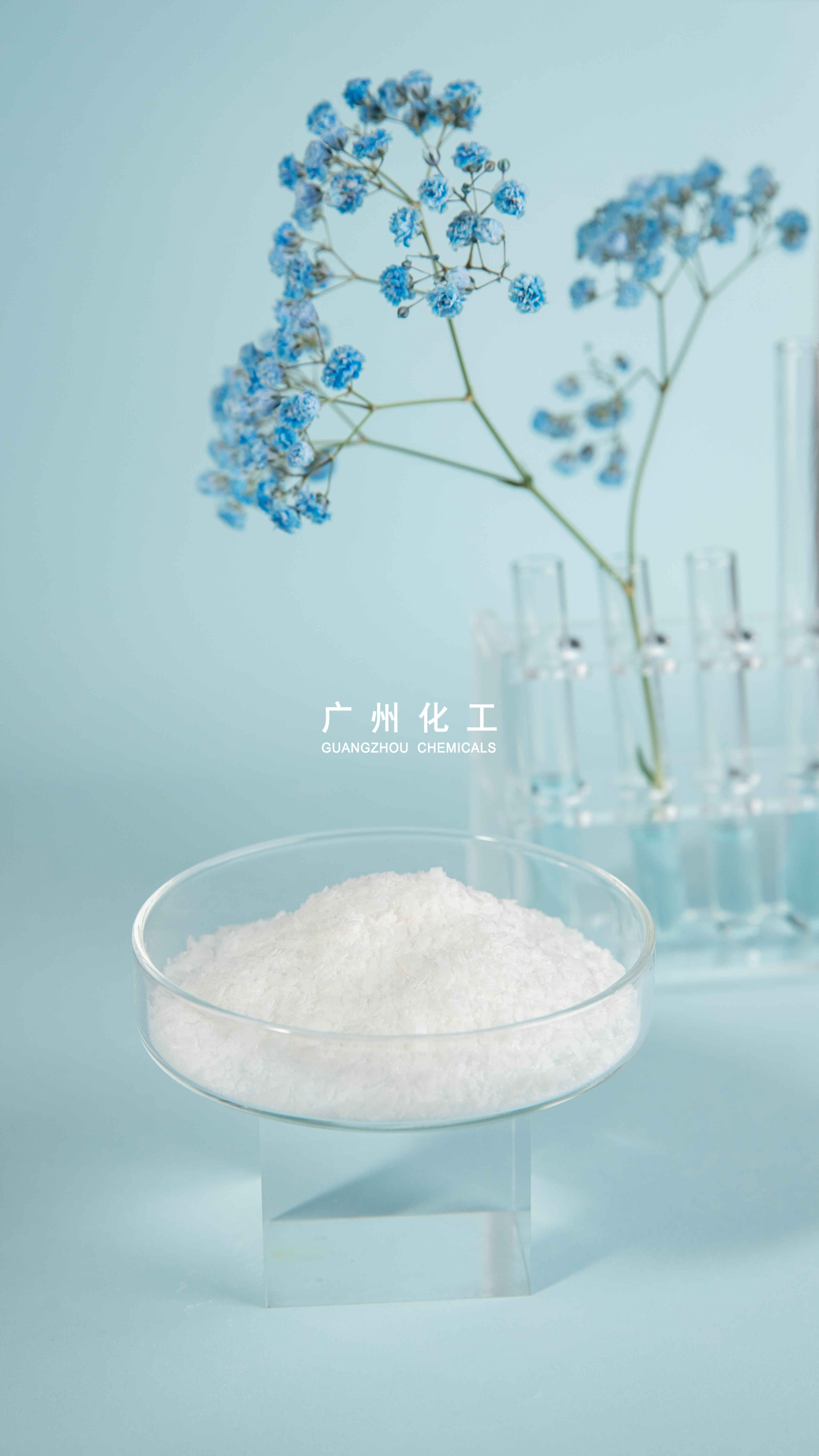
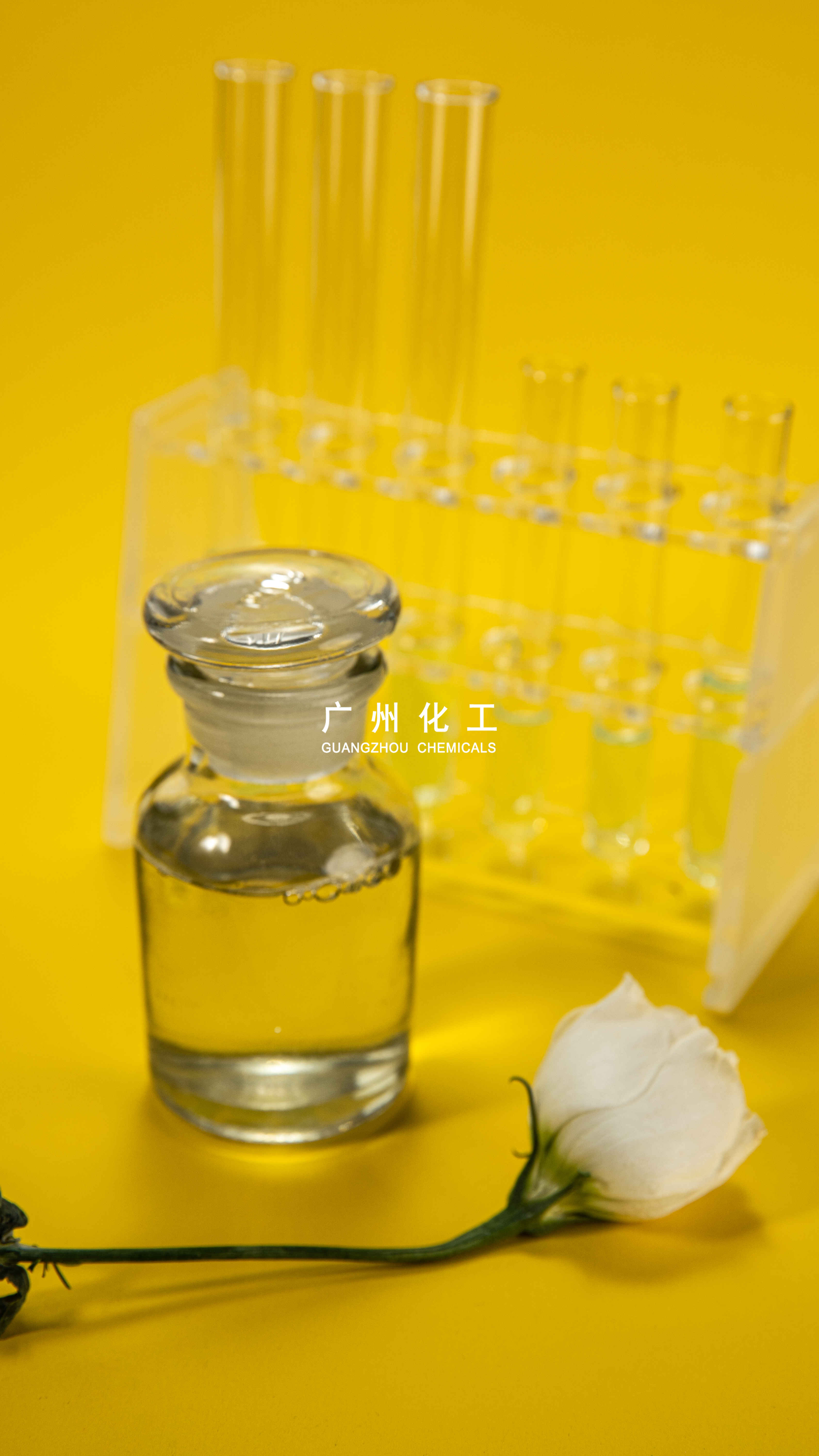
Coconut diethanolamide CDEA, a water softener, thickening, foaming, used for shampoos, hand soaps, and bath products
WENZHOU JIAYONG TRADE CO.,LTD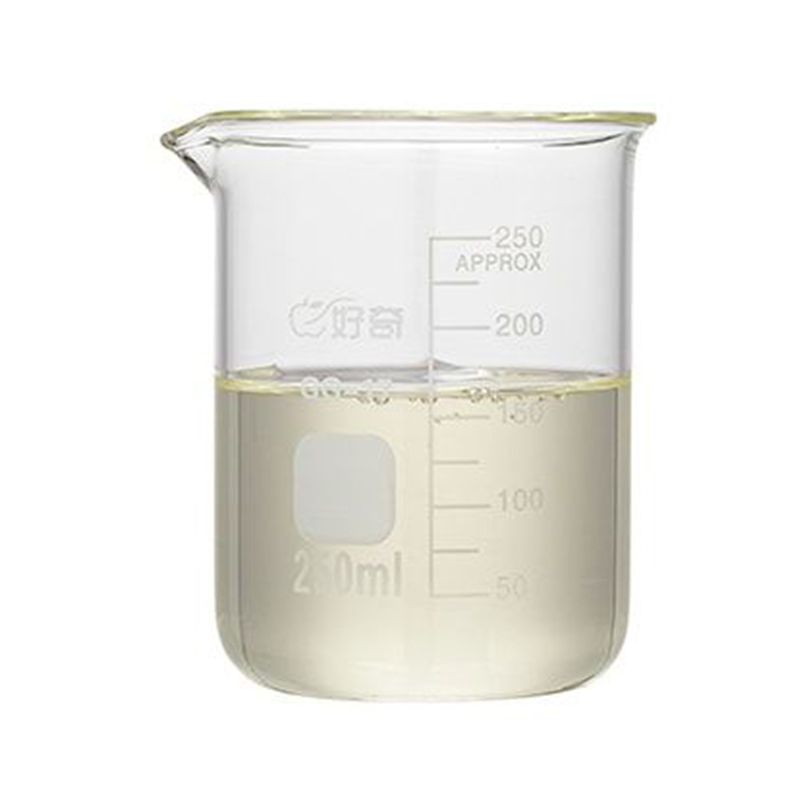
The supplier hasn’t listed a price. We can get their current prices and MOQ.
Verify from $29 · written report in 3 business days · 100% refund if not satisfied
Coconut diethanolamide CDEA, a water softener, thickening, foaming, used for shampoos, hand soaps, and bath products
WENZHOU JIAYONG TRADE CO.,LTDThe supplier hasn’t listed a price. We can get their current prices and MOQ.
Verify from $29 · written report in 3 business days · 100% refund if not satisfied
From the supplier
COCONUT DIETHANOLAMIDE (CDEA)
General Information
Chemical name: Coconut Diethanolamide (CDEA)
CAS No.: 68603-42-9
Molecular formula: RCON(CH2CH2OH)2
Standard executed: GB/T 15046-2011
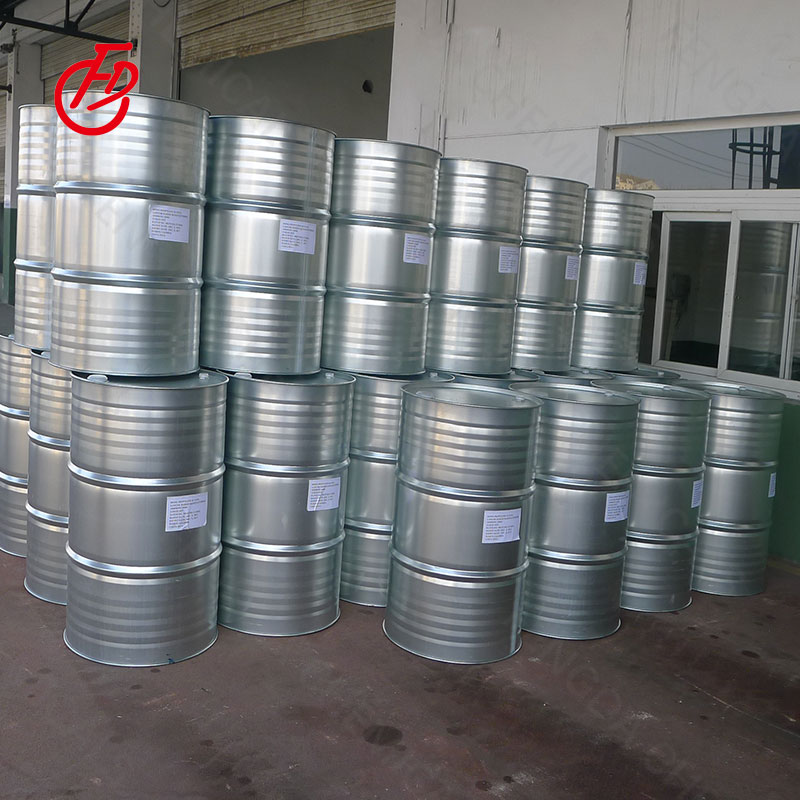
Packaging: in 200KG iron or plastic drum
Technical specification
Items
Standards: 1:1
Standards: 1:1.5
Standards: 1:2
Classification
Nonionic surfactant
Nonionic surfactant
Nonionic surfactant
Appearance (25℃)
Light yellowish to yellow viscous liquid
Light yellowish to yellow viscous liquid
Light yellowish to yellow viscous liquid
Density, g/ml (25°C)
0.998
0.998
0.998
Color (Hazen)
≤300
≤300
≤300
Cloud point, ℃(1% water solution)
-1
-1
-1
Flash Point, °C:
>94
>94
>94
Freeze Point, °C:
0
0
0
Active matter content, %
≥77
≥70
≥63
pH value (1% aqueous solution)
9.5-10.5
9.5-10.5
9.5-10.7
Moisture content, %
≤0.5
≤0.5
≤0.5
Petroleum-ether soluble matter content, %
≤8.0
≤6.0
≤4.0
Amine value, mgKOH/g
≤30
≤90
≤130
Description
Coconut diethanolamide is a mixture of amines able to neutralize acids to form salts plus water through an exothermic reaction. Amines may be incompatible with anhydrides, isocyanates, peroxides, halogenated organics, epoxides, acidic phenols, and acid halides. In combination with strong reducing agents, such as hydrides, amines can generate flammable gaseous hydrogen.
CDEA is typically used as a foaming agent in shampoos, hand soaps, and bath products. Additionally, it has an application in various types of cosmetics as an emulsifying agent; and in detergents – such as dishwashing liquid – as a foaming agent.
Coconut DEA features good stabilizing properties. As an anti-corrosion inhibitor, it’s utilized in metal-working fluids and polishing agents. Additional advantages of Coconut DEA include excellent decontamination, wetting, dispersion, and antistatic performances.
In washing detergent formulas, it’s a water softener, thickening, foaming, and foam-stabilizing agent. Combined with other anionic surfactants, such as LABSA, Coconut diethanolamide significantly improves the foaming ability of the formula, making the final product stable, rich, and long-lasting. CDEA can soften fiber textile, which makes it particularly suitable for use in formulas for washing rigid natural and animal fibers. The addition of Coconut diethanolamide to the washing detergent notably enhances overall laundry effects.
Coconut diethanolamide is a mixture of amines able to neutralize acids to form salts plus water through an exothermic reaction. Amines may be incompatible with anhydrides, isocyanates, peroxides, halogenated organics, epoxides, acidic phenols, and acid halides. In combination with strong reducing agents, such as hydrides, amines can generate flammable gaseous hydrogen.
CDEA is typically used as a foaming agent in shampoos, hand soaps, and bath products. Additionally, it has an application in various types of cosmetics as an emulsifying agent; and in detergents – such as dishwashing liquid – as a foaming agent.
Coconut DEA features good stabilizing properties. As an anti-corrosion inhibitor, it’s utilized in metal-working fluids and polishing agents. Additional advantages of Coconut DEA include excellent decontamination, wetting, dispersion, and antistatic performances.
In washing detergent formulas, it’s a water softener, thickening, foaming, and foam-stabilizing agent. Combined with other anionic surfactants, such as LABSA, Coconut diethanolamide significantly improves the foaming ability of the formula, making the final product stable, rich, and long-lasting. CDEA can soften fiber textile, which makes it particularly suitable for use in formulas for washing rigid natural and animal fibers. The addition of Coconut diethanolamide to the washing detergent notably enhances overall laundry effects.
Stability/Shelf life
Stable. Combustible. Incompatible with potent oxidizing agents.
Store in a cool, dry, and dark place.
Under proper storage conditions, the shelf life of Coconut diethanolamide is two years.
Manufacturing
Coconut diethanolamide is a diethanolamine condensate of coconut oil obtained by a condensation reaction at a 1:1 or 1:2 ratio of the adequate fatty acids to diethanolamine. The process requires temperatures no higher than 170 °C, and the assistance of an alkaline catalyst.
The 1:2 mixture produces a lower-quality Coconut diethanolamide, which contains residues of free diethanolamine and ethylene glycol. A higher-quality 1:1 mixture results in less free amine, which makes it suitable for use in lower concentrations than the 1:2 Coconut diethanolamide.
Fatty acids that can be used in the process are coconut oil, methyl cocoate, whole or stripped coconut acids.
Industry use
Coconut oil diethanolamine condensate belongs to the fatty acid diethanolamides extensively used in cosmetics manufacturing. Coconut DEA is commonly used as an emulsifying agent, emulsion stabilizer, surfactant, thickener, and viscosity builder for cosmetic surfactant formulas.
It’s also used as a surfactant in soap bars, light-duty detergents, and dishwashing detergents, as well as a delinting agent for cottonseed. CDEA can be added to lauryl sulfate-based liquid cleansers to help stabilize and improve foam formation.
Coconut oil diethanolamine condensate is a corrosion inhibitor in water-based, semi-synthetic, and synthetic metal-working fluids, also found in polishing agents. As an antistatic agent, it can be found in plastics, such as polyethylene film for food packaging and rigid polyvinyl chloride. In combination with metallic salts, it works as an antistatic for polystyrene and in impact-resistant rubber polystyrene blends.
Other uses include electric plating, shoe polish, printing ink, and more.
Consumer use
Coconut DEA is an ingredient in a variety of cosmetic formulations, including shampoos, conditioners, bath oils, cooling fluids, lipsticks, soap bars, hair dyes, and various household detergents, in concentrations ranging from 1 to 25%.
Solubility
Coconut diethanolamide is soluble in water at 20 °C; produces an alkali in an aqueous solution.
Common synonyms
CDEA
N-bis (hydroxyethyl) coco fatty acid amides
N-Bis (hydroxyethyl) coco amides
coconut DEA
coconut oil diethanolamine
cocamide diethanolamine
cocamide DEA
coco diethanolamides
coco diethanolamine
coco fatty acid diethanolamides
coconut diethanolamides
coconut oil diethanolamides
FAQ
Q1: Is Cocamide DEA safe to use in personal care products?
A: Yes, Cocamide DEA is verified by FDA to be safe when it’s moderately used in personal care formulas, such as shampoo, hand soap, bath oil and so on. It’s also widely used in pet-care products.
Q2: What is the function of Cocamide DEA in personal care formulas?
A: Cocamide DEA firstly serves as a secondly surfactant, as a supplement of the primary surfactant, such as LABSA and SLES. It also has functions of emulsifying, foam boosting, viscosity controlling, rust preventing, and Corrosion preventing.
Q3: Are Cocamide DEA and Cocamide MEA the same?
A: No. Cocamide DEA and Cocamide MEA are two different chemicals. CDEA’s chemical formula is RCON(CH2CH2OH)2 and CMEA’s is RCONHCH2CH2OH. CMEA is in solid form at room temperature. However, CDEA is in liquid form.
From the supplier
COCONUT DIETHANOLAMIDE (CDEA)
General Information
Chemical name: Coconut Diethanolamide (CDEA)
CAS No.: 68603-42-9
Molecular formula: RCON(CH2CH2OH)2
Standard executed: GB/T 15046-2011
Packaging: in 200KG iron or plastic drum
Technical specification
Items
Standards: 1:1
Standards: 1:1.5
Standards: 1:2
Classification
Nonionic surfactant
Nonionic surfactant
Nonionic surfactant
Appearance (25℃)
Light yellowish to yellow viscous liquid
Light yellowish to yellow viscous liquid
Light yellowish to yellow viscous liquid
Density, g/ml (25°C)
0.998
0.998
0.998
Color (Hazen)
≤300
≤300
≤300
Cloud point, ℃(1% water solution)
-1
-1
-1
Flash Point, °C:
>94
>94
>94
Freeze Point, °C:
0
0
0
Active matter content, %
≥77
≥70
≥63
pH value (1% aqueous solution)
9.5-10.5
9.5-10.5
9.5-10.7
Moisture content, %
≤0.5
≤0.5
≤0.5
Petroleum-ether soluble matter content, %
≤8.0
≤6.0
≤4.0
Amine value, mgKOH/g
≤30
≤90
≤130
Description
Coconut diethanolamide is a mixture of amines able to neutralize acids to form salts plus water through an exothermic reaction. Amines may be incompatible with anhydrides, isocyanates, peroxides, halogenated organics, epoxides, acidic phenols, and acid halides. In combination with strong reducing agents, such as hydrides, amines can generate flammable gaseous hydrogen.
CDEA is typically used as a foaming agent in shampoos, hand soaps, and bath products. Additionally, it has an application in various types of cosmetics as an emulsifying agent; and in detergents – such as dishwashing liquid – as a foaming agent.
Coconut DEA features good stabilizing properties. As an anti-corrosion inhibitor, it’s utilized in metal-working fluids and polishing agents. Additional advantages of Coconut DEA include excellent decontamination, wetting, dispersion, and antistatic performances.
In washing detergent formulas, it’s a water softener, thickening, foaming, and foam-stabilizing agent. Combined with other anionic surfactants, such as LABSA, Coconut diethanolamide significantly improves the foaming ability of the formula, making the final product stable, rich, and long-lasting. CDEA can soften fiber textile, which makes it particularly suitable for use in formulas for washing rigid natural and animal fibers. The addition of Coconut diethanolamide to the washing detergent notably enhances overall laundry effects.
Coconut diethanolamide is a mixture of amines able to neutralize acids to form salts plus water through an exothermic reaction. Amines may be incompatible with anhydrides, isocyanates, peroxides, halogenated organics, epoxides, acidic phenols, and acid halides. In combination with strong reducing agents, such as hydrides, amines can generate flammable gaseous hydrogen.
CDEA is typically used as a foaming agent in shampoos, hand soaps, and bath products. Additionally, it has an application in various types of cosmetics as an emulsifying agent; and in detergents – such as dishwashing liquid – as a foaming agent.
Coconut DEA features good stabilizing properties. As an anti-corrosion inhibitor, it’s utilized in metal-working fluids and polishing agents. Additional advantages of Coconut DEA include excellent decontamination, wetting, dispersion, and antistatic performances.
In washing detergent formulas, it’s a water softener, thickening, foaming, and foam-stabilizing agent. Combined with other anionic surfactants, such as LABSA, Coconut diethanolamide significantly improves the foaming ability of the formula, making the final product stable, rich, and long-lasting. CDEA can soften fiber textile, which makes it particularly suitable for use in formulas for washing rigid natural and animal fibers. The addition of Coconut diethanolamide to the washing detergent notably enhances overall laundry effects.
Stability/Shelf life
Stable. Combustible. Incompatible with potent oxidizing agents.
Store in a cool, dry, and dark place.
Under proper storage conditions, the shelf life of Coconut diethanolamide is two years.
Manufacturing
Coconut diethanolamide is a diethanolamine condensate of coconut oil obtained by a condensation reaction at a 1:1 or 1:2 ratio of the adequate fatty acids to diethanolamine. The process requires temperatures no higher than 170 °C, and the assistance of an alkaline catalyst.
The 1:2 mixture produces a lower-quality Coconut diethanolamide, which contains residues of free diethanolamine and ethylene glycol. A higher-quality 1:1 mixture results in less free amine, which makes it suitable for use in lower concentrations than the 1:2 Coconut diethanolamide.
Fatty acids that can be used in the process are coconut oil, methyl cocoate, whole or stripped coconut acids.
Industry use
Coconut oil diethanolamine condensate belongs to the fatty acid diethanolamides extensively used in cosmetics manufacturing. Coconut DEA is commonly used as an emulsifying agent, emulsion stabilizer, surfactant, thickener, and viscosity builder for cosmetic surfactant formulas.
It’s also used as a surfactant in soap bars, light-duty detergents, and dishwashing detergents, as well as a delinting agent for cottonseed. CDEA can be added to lauryl sulfate-based liquid cleansers to help stabilize and improve foam formation.
Coconut oil diethanolamine condensate is a corrosion inhibitor in water-based, semi-synthetic, and synthetic metal-working fluids, also found in polishing agents. As an antistatic agent, it can be found in plastics, such as polyethylene film for food packaging and rigid polyvinyl chloride. In combination with metallic salts, it works as an antistatic for polystyrene and in impact-resistant rubber polystyrene blends.
Other uses include electric plating, shoe polish, printing ink, and more.
Consumer use
Coconut DEA is an ingredient in a variety of cosmetic formulations, including shampoos, conditioners, bath oils, cooling fluids, lipsticks, soap bars, hair dyes, and various household detergents, in concentrations ranging from 1 to 25%.
Solubility
Coconut diethanolamide is soluble in water at 20 °C; produces an alkali in an aqueous solution.
Common synonyms
CDEA
N-bis (hydroxyethyl) coco fatty acid amides
N-Bis (hydroxyethyl) coco amides
coconut DEA
coconut oil diethanolamine
cocamide diethanolamine
cocamide DEA
coco diethanolamides
coco diethanolamine
coco fatty acid diethanolamides
coconut diethanolamides
coconut oil diethanolamides
FAQ
Q1: Is Cocamide DEA safe to use in personal care products?
A: Yes, Cocamide DEA is verified by FDA to be safe when it’s moderately used in personal care formulas, such as shampoo, hand soap, bath oil and so on. It’s also widely used in pet-care products.
Q2: What is the function of Cocamide DEA in personal care formulas?
A: Cocamide DEA firstly serves as a secondly surfactant, as a supplement of the primary surfactant, such as LABSA and SLES. It also has functions of emulsifying, foam boosting, viscosity controlling, rust preventing, and Corrosion preventing.
Q3: Are Cocamide DEA and Cocamide MEA the same?
A: No. Cocamide DEA and Cocamide MEA are two different chemicals. CDEA’s chemical formula is RCON(CH2CH2OH)2 and CMEA’s is RCONHCH2CH2OH. CMEA is in solid form at room temperature. However, CDEA is in liquid form.
About the supplier
Main products: Washing powder,Dishwashing liquid,Laundry detergent liquid,Fabric softener
- ✓Exhibited at 10 of the last 10 Canton Fairs
- ✓Foreign Trade Company
- ✓Founded 2010
Manufacturing exhibitors show in Phase 1 of the Canton Fair, 15 to 19 October 2026.
- Exhibited at 10 of the last 10 Canton Fairs
- Foreign Trade Company
- Founded 2010
More from WENZHOU JIAYONG TRADE CO.,LTD



Similar products from other suppliers